
Online Piano Learning
Why the Piano Continues to Shape Human Expression in a Changing World
The piano has endured centuries of cultural and technological change, remaining one of the most powerful instruments for human expression. Through its emotional depth, versatility, and connection to creativity, the piano continues to influence how people think, feel, and communicate in a rapidly evolving world.
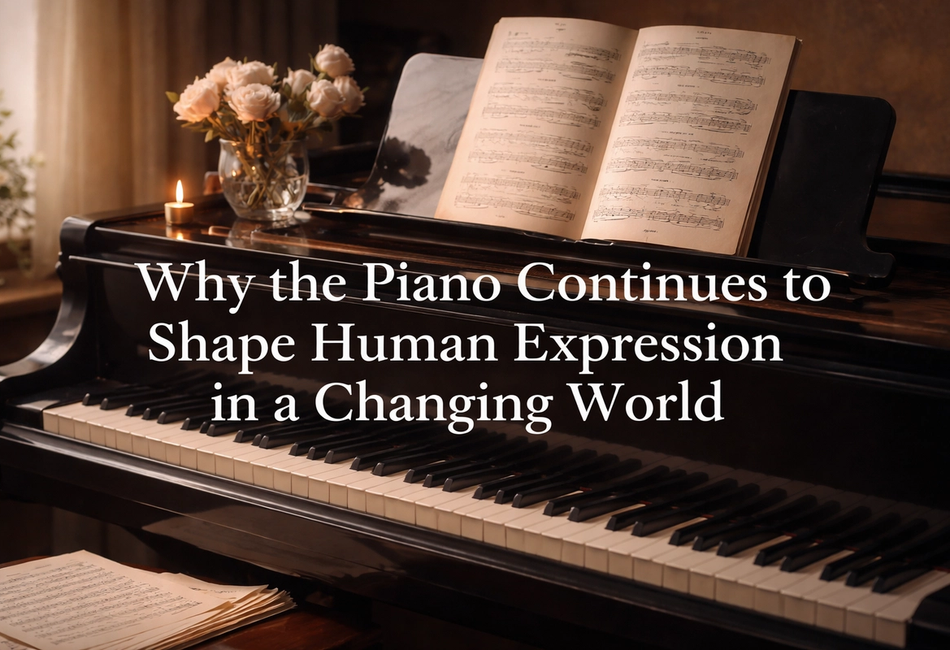
Piano is not just an instrument. It is both a cultural item, a stress release, and a reflection of human expression with an ability to make it through centuries of transformations. Although musical styles change, technology is transforming the way sound is created and consumed, the piano has a solid base in the life of man. It is found in the house, the concert hall, the films and studios, and silent individual areas, and it still affects the way man can express emotion and self-concept.
The piano is not only impressive by its sound, but also the flexibility without losing itself. There are not many instruments that remained relevant in so many times, cultures, and emotional situations. Piano is not a chaser, but a devourer of trends. It is this power to develop and still be recognizable that has made it the sign of its timeless relevance.
The Piano as the Language of Emotion
Human emotion is complicated, stratified and not always easy to explain. The piano music addresses this complexity. It conveys sadness, hope, tension, peace, longing, and joy, without the use of words, by the use of tone alone and timing alone.
The piano is an instrument that is better than the instruments in that it takes advantage of subtlety. One note can be heavy or light depending on the way it is played. One can talk even when not talking. This sensitivity enables piano music to be emotionally accurate.
Piano music is regularly referred to as honest by the listeners as it does not give much space to exaggeration. The music is a clear musical mirror of the mind of the performer. This emotional honesty multiplies the connection between music and listener and this experience is intensely personal.
The reason why Piano Music is a universally understandable piece
Universality of the piano is a major strength of the instrument. It is not reliant upon language, lyrics or cultural context to be interpreted on an emotional level. The sound of a piano playing in a part of the world can be heard in another part of the world and this has no explanation.
This is common to all people as the piano reflects the emotional rhythms of human beings. Elevated tunes tend to be optimistic. Passages that move slowly down are reflective or depressed. These patterns are in conformity to natural emotional perception, which enables individuals to relate instinctively.
Due to this, piano music tends to become a collective emotional experience and it can help break cultural and generational barriers. It establishes a connection absent translation.
The Piano and the Human Need of Reflection
In the world that is getting very fast-paced, the piano has one thing to provide and that is, stillness. Its music makes one slow down, listen and ponder. Piano music gives the room to think unlike other types of entertainment that are meant to keep one on his or her feet.
A lot of individuals resort to piano music in time of reflection. It goes hand in hand with studying, contemplating at night, creativity and emotion processing. This reflective nature is what makes the piano particularly applicable in contemporary life, where there is less and less silence and concentration.
This is intensified by playing the piano. It needs them to be present when they sit at the instrument. It has no magic formula to speech. The gamer needs to be immersed, developing a silent conversation between music and feelings.
Role of silence in the expression of piano
Piano music does not lack silence, it is expressive. The emotions that are caused by the space between notes mean as much as the notes do themselves. A break can bring out expectancy, relieve stress, or open up to thought.
This association with silence imparts moderation. Piano music is not oppressive. It implies and not dictates. Such subtleness gives the audience an opportunity to become active participants and occupy the gaps with their own interpretation.
Unlike constant noises, the silence respect that piano music is subject to renders it emotionally developed and richly involving.
The role of Piano in Creativity
Structure and freedom will go hand in hand with creativity. The piano represents this balance. Its keyboard is immovable and foreseeable, but the possibilities of combinations of sound are inexhaustible.
To creators, such balance fosters exploration, lack of chaos. Pianists have freedom to experiment and tend to find new ideas either by improvising or varying. It is a process that builds confidence in creativity and eliminates the fear of being imperfect.
Piano music is a common creative companion of writers, designers, filmmakers, and thinkers. It is emotionally neutral to enable ideas to come to the fore naturally without distraction. This cross-disciplinary impact points to the use of the piano to spur creativity outside the music world.
The intimacy of Piano Music
Piano music is not always intimate even when it is heard by thousands. The tone is one of intimacy like the music is addressing the listener. It is the touch-responsiveness that brings about this intimacy of the instrument.
An intent is reflected instantly when a pianist presses a key. There is no delay, no filter. This urgency establishes a personal association which the listeners subconsciously feel.
This closeness is further enhanced in houses. A piano playing in a small room gives an impression of exposedness and sincerity. It welcomes emotional honesty and the lack of pressure when it comes to acting.
The Piano as a Storytelling Instrument and the Modern Media
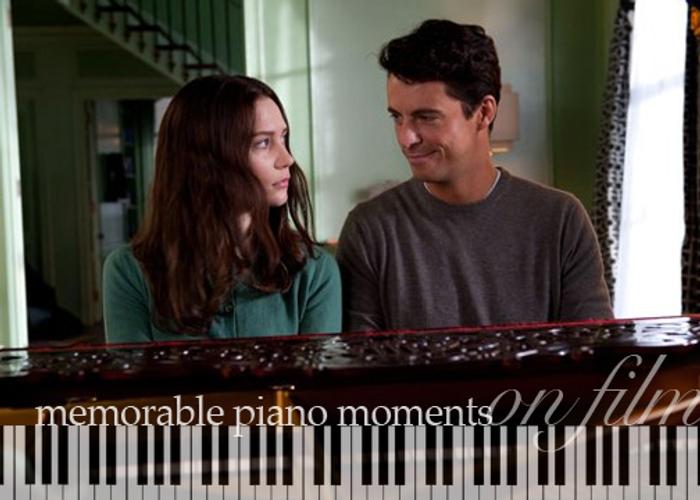
The piano is an important element of storytelling, especially in the film and visual media. The use of piano music is common among directors who do not want to cram with words and graphics.
Even basic piano melody can imply loss, hope or change in a few seconds. The delicacy of it enables people to experience instead of telling them what they are supposed to feel. It makes piano music a great story-teller.
In addition to the film, piano music is also used in documentaries, digital content and contemporary advertisement as a representation of genuineness and honesty. The fact that it is there is an indication of emotional truth.
The influence of Piano Music on the awareness of the emotions
Hearing or playing piano music makes one more attentive to emotions. Minor variations in tempo, touch or harmony have great impact on mood. This instills in oneness.
Pianists are taught to be great listeners not only to sound, but also to emotional changes. With time this sensitivity does not just apply to music. Players are better aware of emotional signals in themselves and other players.
This enhanced understanding underpins empathy, communication and emotional intelligence.
The Piano and Mental Balance
Piano music has been always linked with serenity and clarity of mind. The balance is created by its predictable structure, as well as expressive freedom.
Piano music can help calm the mind as one listens to the music and thoughts set in. This is further brought out by playing the piano which involved the body but concentrated the mind.
This is an especially useful combination of the piano in terms of controlling emotions and managing stress in the contemporary life.
The Piano With the Various Stages of life
The piano develops together with the person.
- In children, it develops concentration, patience and expressiveness.
- To adolescents, it provides identity, creativity, and emotional foundation.
- To the grown-ups, it offers contemplation, equilibrium as well as self-fulfillment.
The piano can be flexible at each stage not to lose its topicality. Such flexibility guarantees its intergenerational presence.
Why the Piano Refuses to Be Obsolete
With technology revolution in music production, the piano has not been affected in its nature. Physical interactions can never be substituted with digital tools even though they can recreate sound.
The piano resists shortcuts. Seniority takes time, patience and attendance. This opposition makes it significant on a time of instant gratification.
It is the very thing that makes people attracted to the piano because they require commitment. It is richness in a culture that is usually fuelled by speed.
The Piano as a Lifelong Companion
The piano is profound as opposed to other trends which pass away. One can never have enough things to discover, to perfect and to reveal. This is because it is a life long companion but not a transient process.
The relationship with the piano changes with the change of life. It can be changed to discipline, to expression, to challenge, to comfort. The instrument is applicable at all the stages.
There can be few imaginative activities which promise so long-lived acquaintance.
The reason why the Piano is important today
Piano is still relevant since it fits the basic human needs: expression, reflection, structure and connection. Such needs are not eliminated by technological advancement.
The piano provides clarity in a noiseless world. It gives richness in a culture of speed. It provides consistency in periods of emotional insecurity.
It is not nostalgia that makes it relevant, but necessity.
Conclusion
The piano does not live longer because it does not oppose change, it is able to absorb it without losing its soul. It addresses a language that is more ancient than the fashion and a language that is more profound than technology. It still influences the way human beings express themselves in an evolving world through emotion, silence, creativity and reflection.
Played or merely listened to, the piano is a potent reminder of what it is like to feel, think and create mindfully.
More from the blog
Keep exploring new ideas
Piano: Psychological Development.
How Piano Learning Improves Memory Over Time
The process of learning, adaptation, and growth of people is mainly driven by memory. Learning Piano has emerged as one of the effective techniques of memory reinforcement via formal repetition, auditory, coordination and recalling over time. This article discusses the process by which practicing piano develops various forms of memory, reasons why these advantages become increasingly more effective, and how the benefits of learning a piano help to retain in the minds of non-musical areas.
Piano & Skill Development
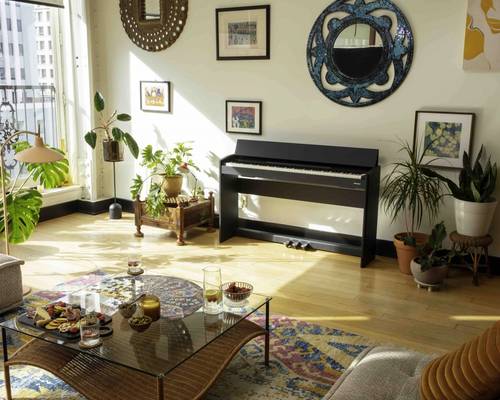
How Piano Practice Builds Consistency and Self-Discipline
Self-discipline and consistency are crucial personal qualities in the contemporary life but are becoming more challenging to master. The learning of piano provides a natural and effective method of developing both in a structured form of learning, in a progressive manner and through long term commitment. This paper will examine how practice in the piano will develop the consistency over the time, why the self-discipline will develop naturally at the instrument and the applicability of these abilities far beyond music in the life.
Piano & Lifelong Learning
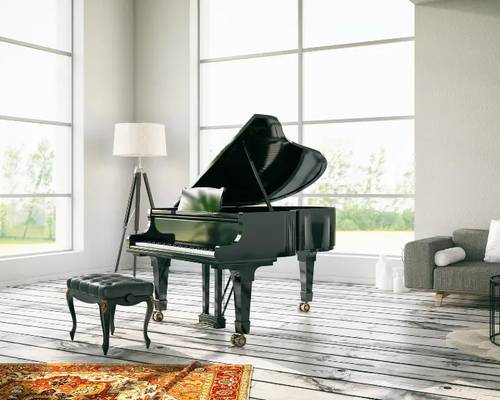
The Reason behind the Rise of Piano Learning among Mature Beginners in the world.
The world has witnessed a potent surge in piano learning among adult learners. More individuals are learning the piano later in their lives and this is due to the flexibility of digital tools, lifestyles and now people are more focused on their personal development. The article discusses the reasons why this trend is being experienced, how adult learners treat piano differently, and why this trend is transforming the contemporary culture of the piano.
Piano & Modern Skills
The reason Learning Piano Is Better than Multitasking in a Distracted World.
Piano learning is becoming an effective tool to reconnect attention and deep thinking in a day and age where we are bombarded with notifications and do not spend enough time in deep contemplation. The mental clarity ensured by years of discipline in the practice of the piano may be that which is afforded by very few activities because it demands constant focus, physical coordination and active listening. This paper discusses the connection between learning the piano and attention, the level of cognitive and mental discipline and the reason why more and more individuals are turning to the piano to overcome distraction in the modern world.
The Culture of Piano and Contemporary Music.
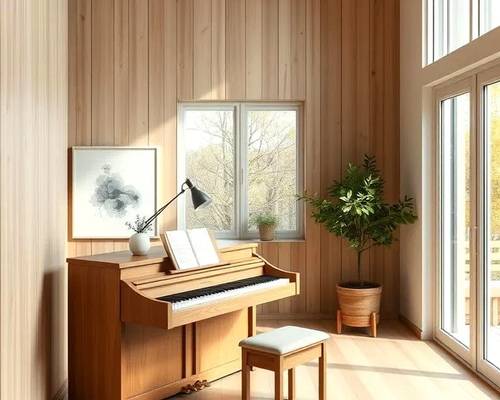
The reason why Minimalist Piano Music is becoming a sound of this decade.
The minimalist piano music has come out as one of the most effective sounds of the modern age. The style is marked by its simplicity, repetition, and restraint, and they are defining the manner in which individuals listen, create, and relate to piano music nowadays. This paper delves into the reasons behind the growth of minimalist piano in popularity all over the world, its reflection of the contemporary life, and why it is a simply a new voice of this decade.
Piano & Future Learning
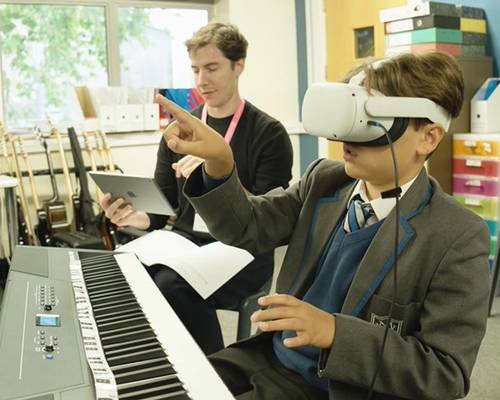
The Way AR is beginning to transform Piano Learning.
The concept of augmented reality is gradually presenting itself in the business of piano study, providing a fresh interpretation of music, technique, and practice. AR is transforming the interaction between pianists and the keyboard by combining digital guidance and physical instruments to create a new approach to playing the piano. This paper discusses the reasons behind the growing interest in augmented reality learning of piano, its functionality as well as its potential future impact on the teaching of piano.The concept of augmented reality is gradually presenting itself in the business of piano study, providing a fresh interpretation of music, technique, and practice. AR is transforming the interaction between pianists and the keyboard by combining digital guidance and physical instruments to create a new approach to playing the piano. This paper discusses the reasons behind the growing interest in augmented reality learning of piano, its functionality as well as its potential future impact on the teaching of piano.