
Piano: Psychological Development.
The Benefits of Learning Piano in Enhancing Memory and Retention of Learning over Time.
The process of learning, adaptation, and growth of people is mainly driven by memory. Learning Piano has emerged as one of the effective techniques of memory reinforcement via formal repetition, auditory, coordination and recalling over time. This article discusses the process by which practicing piano develops various forms of memory, reasons why these advantages become increasingly more effective, and how the benefits of learning a piano help to retain in the minds of non-musical areas.
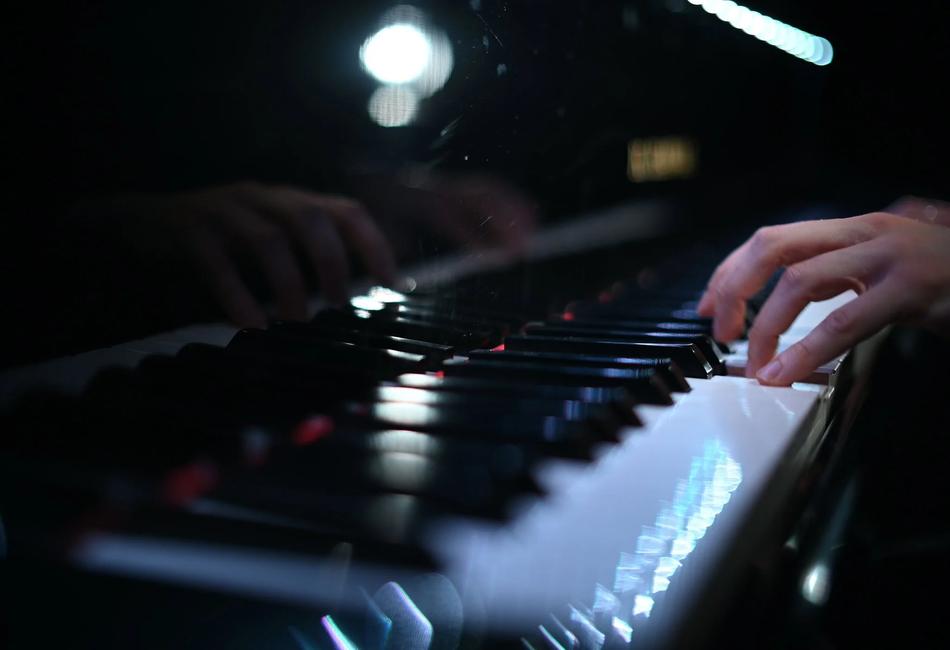
One of the best assets of the mind that individuals are depending on daily is memory. Whether recalling information in the workplace or the processes of moving around, memory influences the effectiveness of individuals in the world. Over the past few years, there has been a growing realization among many individuals that memory is delicate when there is a lack of concentration in attention and a lack of time in learning.
Through this realization, the learning of the piano has been given credit as being not only a creative activity but also a rigorous mental one. Piano practice is an active way of working with the different memory systems simultaneously as opposed to passive activities. There is a necessity that learners should be able to retain movements, sounds, patterns, and sequences over a certain period and most of the time such learning is not reinforced immediately.
This long-term involvement renders learning the piano to be particularly useful in developing memory. The positive effects are not immediate, but they build up gradually, and they reinforce the mental retention in a manner that is much more extensive than the music.
The necessity of the active training of memory
Contemporary lives usually strain memory. Digital storage, constant reminders and access to information on demand minimise the necessity to store information within. Although this is convenient, it may lead to deterioration of long term memory and attention.
Development of memory is better as it is utilized in a purposeful manner. Tasks which need recall, prediction, and pattern recognition keep memory to be active and strong. These are all the elements that are naturally involved in learning piano.
Instead of learning isolated facts, learners retain connections of sounds, movements, and time. This is a holistic method of strengthening memory.
The way Piano W sectors into Multiple Memory Systems
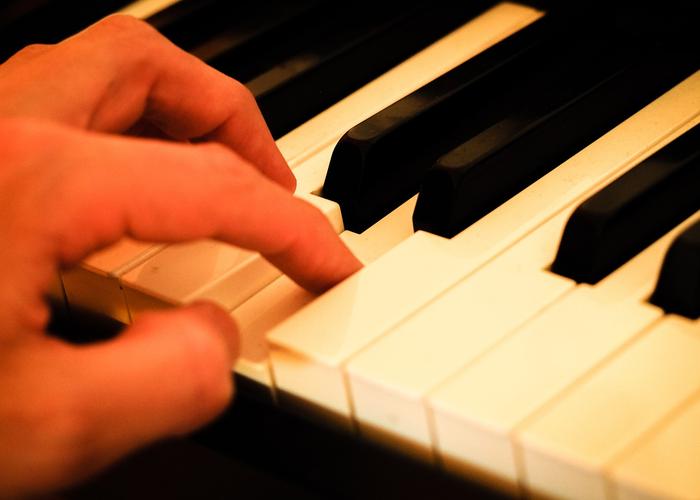
Several kinds of memory are engaged in learning Piano. The physical memory is formed by movement of hands. Auditory memory develops with recognition and anticipation of sounds by learners. Mental visual memory aids in reading and being aware of a keyboard. Cognitive memory sorts the arrangement and order.
These systems are supportive of one another. Where one party fails, another holds them up. This integration enhances the overall retention.
There are not many processes that involve this amount of co-ordinated memory interaction. The piano produces a total mental exercise that becomes more robust as one practices it regularly.
the Use of Physical Memory in Learning Piano
The memory that is referred to as physical memory or muscle memory is central to the piano practice. With repetition, the movements are slowly automaticized, releasing resources of the mind to listen and talk.
It is a time-consuming and consistent process. The repetitions solidify the neural pathways, thus, making movements more accurate and efficient. In the course of time, learners will use less conscious control and more embodied memory.
The coordination and precision found in physical memory constructed at the piano are transferred to other physical and cognitive tasks.
Aural Recollection and Expectation
Auditory memory gives the learner an ability to recollect what the music sounds like in advance before it is played. Pianists usually listen to phrases in their heads and can predict the further harmonies.
This expectation enhances retention. The brain gets used to retaining the sound patterns in our minds and anticipating the next one.
Auditory memory is notably useful as it helps to remember in the long term. Familiar pieces will be reinstated fairly easily even after a long period due to deep storage of the sound.
The Strengthening of Long-term Recall of Simple Repeated Pairs
One of the most useful tools of developing the memory is repetition. The practice of playing the piano is based on the systematic repetition that supports learning without making it arbitrary.
Every repetition is somewhat varied. Minor changes enhance accuracy, timing and control. The diversity enhances the memory as compared to the practice done by rote.
With time, the short term memory is converted to long term memory because of repetition.
The way Piano develops Sequential Memory
Sequential memory includes having the ability to remember sequence and form. This is an important ability in the learning of piano.
Students recall the sequence of notes, chords and parts. They make anticipations and develop movements beforehand.
This is an art that is developed over time. Sequential memory is also more accurate in facilitating learning in other fields including reading, planning and problem solving.
Why Memory is not an Instantaneous Process
Piano learning has the advantage of building memory at a sluggish pace as compared to memorizing shortcuts. This is a more lasting process.
The memory is resilient when it is developed with time. Students do not lose the skills even during inactivity. This is what makes deep learning stand out among surface memorization because of this durability.
The learning of piano focuses on a depth approach, not speed hence the improvement of the memory is long lasting.
The Interrelationship between Focus and Memory
Memory depends on attention. Once the attention is divided, the retention is poor. Practice on the piano requires long-range concentration, and this enhances better memory building.
Learners should remain attentive in order to correct errors, correct timing, and correct tone. This prolonged concentration brings about perfect circumstances of memory consolidation.
With time the two work together so that attention and memory enhance each other.
The way Piano Learning Aids Working Memory
Working memory enables individuals to store information in the meantime as they process them. Learning of piano is a sore test of the working memory.
Students retain the notes to come in mind as they perform the present movements. They vary timing and dynamics dynamically.
This mind balancing reinforces the working memory, which facilitates multifaceted thinking in other areas other than music.
The reason why memorization at the piano is different
Musical knowledge does not involve memorizing music as the case with text. The memorization of piano is stratified.
Students retain sound, movement, visual arrangement, and structure at the same time. In case one component fails, another one supports it.
This redundancy renders memory more credible and more flexible.
The Effective Memory Retention Emotional Component
Emotion has a strong influence in memory. Naturally, music has the emotional connotation, which enhances the memory.
Personal experience or emotional pieces are easier to remember. This is because emotional involvement enhances memory encoding.
This connection is useful in Piano learning as the retention will be more meaningful and stronger.
The reasons Learning Piano is Good at Lifelong Memory Health
Memory is improved when put to test. Studying the piano is both challenging and not stressful.
Complexity is built up progressively with increase in skills. This development helps the memory to remain active and flexible.
Practice in the piano throughout a lifetime keeps the brain active, and the memory is strengthened.
The Strength of Memory as Determined by Consistency
Regular exercising strengthens brain links. Even brief, frequent sessions will also help in stronger memory.
Ineffective practice undermines recall whereas consistent practice reinforces it. The learning of piano recognizes consistency.
Such clarity stimulates the learners to adopt habits that can lead to the long run retention.
The Extramusic Transfer of Memory Skills
The learning of memory skills through the learning of the piano is usually evident in other fields. Students complain that they have better memory, better organization, and increased mental clarity.
The capacity to memorize sequences, predict and remember detail helps in most daily activities.
The learning of piano teaches the memory in a natural generalizing manner.
The reason why Piano Learning promotes active recall
Active recall: Active retrieving of information and not passively. The practice of the piano is dependent on active recall.
Learners remember passages, patterns, and methods in the process of studying. This is a better way of building memory than passive review.
The active recall instills confidence and strength in studying.
The correlation between Structure and Memory
Piano music is not ambiguous. Knowledge of these structures helps in retention of memory.
Students recall blocks, sequences and lines as opposed to single notes. Recall is efficient in this organization.
Memory is enhanced through structured learning which gives context.
The role of Piano learning in alleviating anxiety in memory
Having a memory problem is frustrating. The study of piano recasts the concept of memory as the one that develops steadily through patience.
Errors are involved. It is through repetition and comprehension that memory gets enhanced but not through pressure.
This will develop confidence and decrease anxiety towards the recall.
The reason as to why practicing the piano enhances mental stamina
Memory requires endurance. Practicing piano also develops endurance in terms of concentration.
This stamina helps in long term thinking and long term projects. Students feel more relaxed interacting with each other.
Mental stamina helps in long term memory.
The Role of Listening in the formation of memory
Hearing attentively builds up memory. Sound quality, balance and timing in piano learners are auditory learners.
This concentration enhances aural memory and helps to remember. Listening is active and not passive.
Good listening skills improve the overall memorization.
The benefits of Piano Learning in long-lasting human mental development
Habits shape memory. Piano learning promotes the practice of attention, repetitions and reflections.
The habits promote retention and clarity of mind, in the long-term. Education becomes long term and not short lived.
The piano strengthens memory defending habits with time.
The Increase in Accumulation of Memory Gains with Years
Piano learning has cumulative memory improvement. Mental retention is enhanced with every year of practice.
Skills are enhanced and not reenacted. Learners develop new knowledge based on the already acquired knowledge instead of beginning with a clean sheet.
This build up facilitates cognitive resilience across lifespan.
The Importance of This in the Rapidly Changing World
In the contemporary world where information is dynamic, memory and accumulation of knowledge is important.
The learning of piano builds the background of being in a position to adjust to thinking, instead of responding impulsively.
Major memory facilitates meaningful learning at any age.
The Cultural Relatability of Memory-Building Skills
Society puts more and more emphasis on flexibility and richness. Memory supports both.
Learning of piano fits this change, as it enhances internal storage as opposed to external stores.
This relevance is the reason why it is continuing to grow.
The reason why Piano is so special when it comes to development of memory
The piano is a combination of movement, sound, structure, and emotion. This combination renders the development of memory effective and permanent.
There is hardly an activity that makes use of memory as much.
The instrument is considered to be one of the best tools of mental retention.
Conclusion
Piano is much more than a musical ability. It is an organized method of making the memory strong by repetition, attention, listening and long term involvement.
The learning of piano results in long-term memory that is not just applied to music but also to day-to-day life by evoking several memory systems simultaneously. Such benefits are cumulative and do not increase with time.
Vanishing memory takes a back seat in an era that is characterized by the outsourcing of memory, and learning piano is refurbishing the skill of memory retention, recall and in depth understanding. This is the reason why its value keeps on increasing.The Effective Memory Retention Emotional Component.
More from the blog
Keep exploring new ideas
Piano & Skill Development
The Power of Learning Piano to develop Long-term Consistency and Self-discipline.
Self-discipline and consistency are crucial personal qualities in the contemporary life but are becoming more challenging to master. The learning of piano provides a natural and effective method of developing both in a structured form of learning, in a progressive manner and through long term commitment. This paper will examine how practice in the piano will develop the consistency over the time, why the self-discipline will develop naturally at the instrument and the applicability of these abilities far beyond music in the life.
Piano & Lifelong Learning
The Reason behind the Rise of Piano Learning among Mature Beginners in the world.
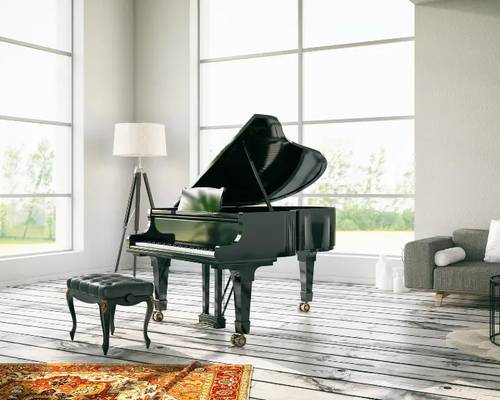
The world has witnessed a potent surge in piano learning among adult learners. More individuals are learning the piano later in their lives and this is due to the flexibility of digital tools, lifestyles and now people are more focused on their personal development. The article discusses the reasons why this trend is being experienced, how adult learners treat piano differently, and why this trend is transforming the contemporary culture of the piano.
Piano & Modern Skills
The reason Learning Piano Is Better than Multitasking in a Distracted World.
Piano learning is becoming an effective tool to reconnect attention and deep thinking in a day and age where we are bombarded with notifications and do not spend enough time in deep contemplation. The mental clarity ensured by years of discipline in the practice of the piano may be that which is afforded by very few activities because it demands constant focus, physical coordination and active listening. This paper discusses the connection between learning the piano and attention, the level of cognitive and mental discipline and the reason why more and more individuals are turning to the piano to overcome distraction in the modern world.

The Culture of Piano and Contemporary Music.
The reason why Minimalist Piano Music is becoming a sound of this decade.
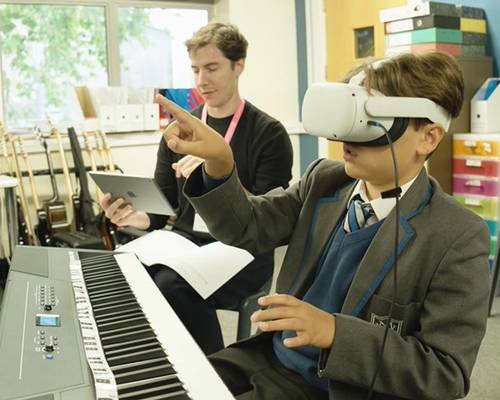
The minimalist piano music has come out as one of the most effective sounds of the modern age. The style is marked by its simplicity, repetition, and restraint, and they are defining the manner in which individuals listen, create, and relate to piano music nowadays. This paper delves into the reasons behind the growth of minimalist piano in popularity all over the world, its reflection of the contemporary life, and why it is a simply a new voice of this decade.
Piano & Future Learning
The Way AR is beginning to transform Piano Learning.
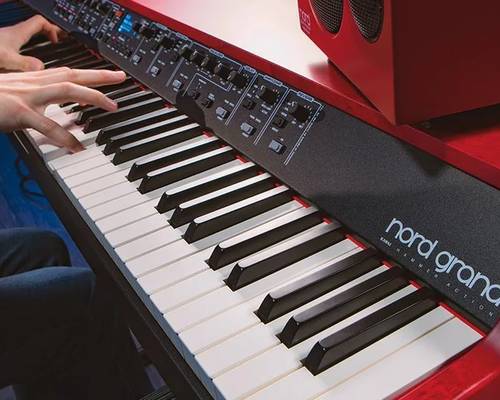
The concept of augmented reality is gradually presenting itself in the business of piano study, providing a fresh interpretation of music, technique, and practice. AR is transforming the interaction between pianists and the keyboard by combining digital guidance and physical instruments to create a new approach to playing the piano. This paper discusses the reasons behind the growing interest in augmented reality learning of piano, its functionality as well as its potential future impact on the teaching of piano.The concept of augmented reality is gradually presenting itself in the business of piano study, providing a fresh interpretation of music, technique, and practice. AR is transforming the interaction between pianists and the keyboard by combining digital guidance and physical instruments to create a new approach to playing the piano. This paper discusses the reasons behind the growing interest in augmented reality learning of piano, its functionality as well as its potential future impact on the teaching of piano.
Piano & Music Industry
Why Artificial Intelligence-Composed Piano Music Is Overwhelming Streaming Services.
Piano music generated by AI is quickly spreading through the streaming platforms, and it is often hard to distinguish between the music written by humans and the music created by AI. Artificial intelligence is slowly transforming the nature of the creation, distribution, and consumption of piano music, whether it be ambient playlists or movie piano sounds. In this article, the author examines the reasons behind the trend of AI piano music, its impact on actual pianists, and what this change could imply on the future of piano art.