
Piano & Modern Learning
Why Learning Piano is the Best Way to Enhance Long-term Focus and Mental Resilience.
One of the most delicate skills in the contemporary life has become concentration. It is getting harder to focus as long attention spans are interrupted with constant stimulation, rapid content, and divided attention. Learning of piano can provide a formidable means of restoring concentration and mental stamina by means of conscious practice, conscious listening and conscious repetition. This paper examines the process of learning piano that enhances the ability to be focused in the long term, why the mind becomes stronger in the area of the instrument, and how these advantages go way beyond music.
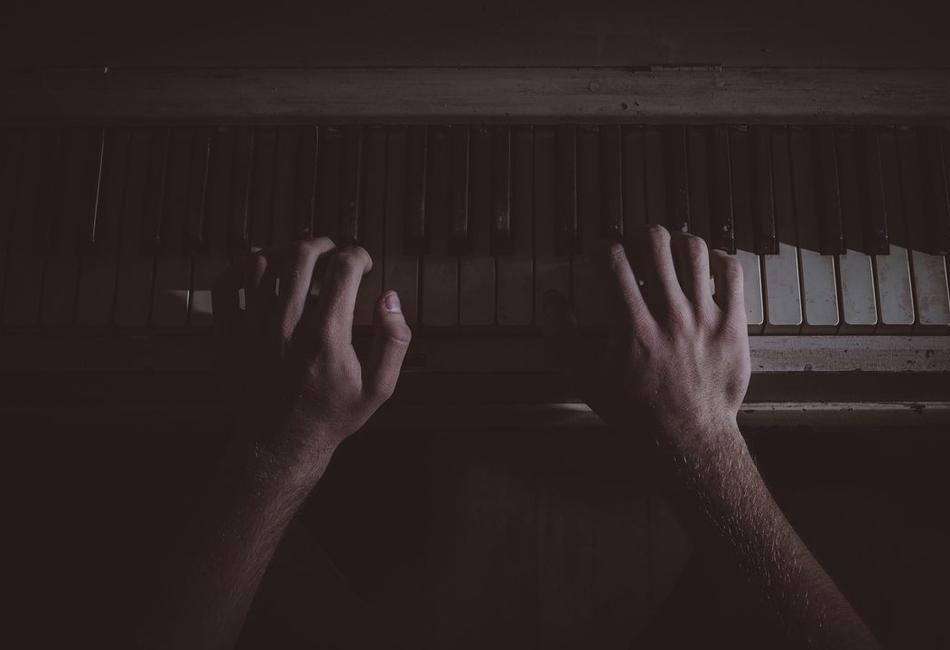
It is no longer a given that concentration is. There are a lot of individuals who cannot stick to one task over long durations of time. The mind runs, the concentration is broken, and even significant activities are interrupted by the desire to change the focus. Although this trend has become a norm, it has profound effects on learning, creativity and mental acuity.
An unusual exception to this trend is the learning of piano. It demands long term concentration, physical coordination and constant listening. Such requirements ensure that interruption becomes so easy to notice and advance impossible without concentration. The concentration comes with time, not by teaching, but by necessity, to the piano.
This renders the learning of piano to be the only special effective way of restoring the long-term focus and mental stamina of the distracted world.
The decline in concentration in the contemporary life
Contemporary settings are made to encourage an immediate experience instead of a long-lasting one. Tiny content and notifications as well as continuous input recondition the brain to anticipate being brought into incessant stimulation.
This disorder makes the mind weak. Discomfort is observed soon when tasks involve a long period of attention. It is attention which is not profound.
When concentration is done purposely, it is enhanced. This practice has a natural structure created through piano learning.
The way in which Piano Learning demands Sustained Attention
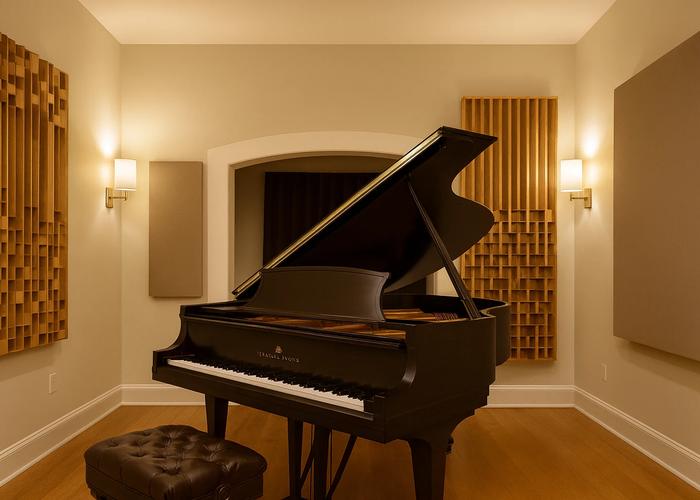
Piano playing keeps one attentive. The learner is required to follow the movement of the hands, the quality of the sounds, the timing, and coordination simultaneously.
There is no option of disengaging without being punished like in the case of passive activities. Sound and control are immediately affected by lack of concentration.
This is immediate feedback that makes the need to be present that much more important. The focus is imperative and not a recommendation.
The Boundary between shallow and deep observation
Short attention is reactive. It reacts to short term stimuli. There is maintained deep focus and it is deliberate.
Piano as a learning process builds in-depth concentration since one needs to study it. A piece unfolds gradually. The sections are reliant on each other.
This framework conditions the mind not to get ahead of a task or to check out.
The Rational Why Mental Endurance
Mental endurance is that of being able to remain occupied without getting tired. This endurance is developed with practice in the piano.
Understanding the practice early might be strenuous. In the long run, the learner will realize that they are able to concentrate longer without difficulty. Concentration is made more fixed.
This stamina is gained with time as the attention muscles are exercised.
How Listening Enriches Concentration
Listening plays a key role in the learning of the piano. The learners have to listen actively in terms of balance, clarity, and timing.
This listening involves long-term listening. Sound presents itself through time, and it does not give instant gratifications but patience.
With increasing listening skills, concentration also increases. The mind becomes unresponsive and observant.
The reason why Piano Learning discourages Multitasking
Multi-tasking separates concentration. Piano lessons nullify this option.
Practice is a full involvement process. Splitting attention results in short-term inability to be in control and accurate.
This imposes single-tasking. Students get to understand the power of giving something full attention.
The Effect of Repetition in Making the Focus
Monotony on the piano is not in vain. The repetitions contribute to the movement, sound, and time.
Instead of making things non-engaging, relevant repetition makes them more involved. The learners concentrate on minute gains with each use.
A training process is gained in this process to concentrate but not to be restless.
The Relationship between Structure and Attention Maintenance
Piano music is structured. There is clarity in terms of phrases, patterns and sections.
Such an organization promotes concentration by decreasing the cognitive load. Students are aware of what to focus on and at what time.
It is properly organized so that one can focus on a problem.
the reasons Piano Learning Repays Time
It is more helpful to be patient than urgent in order to be better focused. The learning of piano makes one patient by default.
Progress occurs gradually. Hurrying brings about strain and irregularity. Reduction of speed enhances clarity.
This correlation will help the learners to appreciate slow but steady attention rather than speed.
The Transfer of Concentration outside the Music
The skills in the piano are likely to be reflected elsewhere. Students claim that they read, study, and work without disruption much better.
Habit of sustained focus is developed by nature since it is a habit that is exercised.
Learning piano is training of focus in our everyday life.
The Importance of Mental Endurance in the Modern World
A lot of the issues in the contemporary end up demanding prolonged thought. Sustained attention is required in problem-solving, creativity and learning.
Even the simplest tasks are tiresome without mental endurance. Learning of piano enhances the ability to remain captivated.
This renders concentration a renewable resource as opposed to a limited resource.
The Piano Learning Effect in Mental Exhaustion
Concentrated thinking may be invigorating and not exhausting. Practising piano involves the use of the mind and background mental noise is minimized.
Most of the learners say that practice is an experience which is energizing in the mind even though it is demanding.
This is due to the fact that attention is not divided.
Why Consistency is Important to Concentration
Attention habits are strengthened with practice. Even brief and regular sessions are more powerful in focusing compared to an uneven effort.
The learning of piano gives rewards of consistency. It is easier to concentrate when the engagement is constant.
This transparency promotes addiction.
The correlation between Relaxation and Concentration
Composure facilitates focus. A learning of piano requires a calmness through a controlled movement and listening.
When the learners become relaxed in practice, it becomes easier to remain focused.
Naturally, calm and concentration support one another.
How Piano Learning Confidence in Focus
The learners gain confidence when they realize better concentration. They believe in their capability of remaining active.
The confidence eliminates anxiety relating to challenging activities. Concentration does not seem difficult to reach but to maintain.
The piano gives continuous testament that focus can be enhanced.
The Reason Piano Practice is Beneficial to Reflection
Reflection supports focus. The learners stop, listen and correct.
This self-reflection practice empowers concentration practices. Learners become aware of the lapse in concentration and redirect it in a gentle manner.
Concentration is sustainable when reflected on.
The development of concentration with time
The concentration does not get better immediately. This is evidenced through the learning of piano.
This comes with practice at an early age. Over time, focus stabilizes. The focus becomes less difficult.
This gradual progress is a stage of long lasting concentration.
The reason as to why Piano Learning is in line with the current demands of the times
The contemporary world needs flexibility and complexity. Piano learning aids the two, by means of concentrated practice.
It provides a platform where focus will be treasured instead of divided.
This correspondence justifies its increased relevancy.
The Cultural Significance of Deep Focus
Deep focus is an asset as the level of distraction rises. Piano acquisition helps in learning this skill.
It educates the mind by doing things and not merely theorizing.
This cultural applicability guarantees value in the long run.
The Musical Reason behind Piano as the most effective focus meditation
The piano incorporates the element of movement, sound, timing and listening. Such integration requires complete involvement.
There are hardly any activities that should be given attention so much.
The piano has stayed as one of the best instruments in enhancing focus.
Effects on Long-term mental clarity
Learning about piano transforms the patterns of attention with time. Students get more attentive and less responsive.
Mental clarity improves. The concentration is not strained or coerced.
The changes are beneficial to long-term well-being.
Why This Skill Will Be Never Lost
Concentration and the capacity to focus extensively is becoming more and more crucial as information increases.
This is reinforced in a sustainable manner by learning piano.
Its applicability will further increase.
Conclusion
Piano lessons help in developing long-term concentration and mental stamina due to prolonged concentration, active listening and discipline in practicing. In session, attention practices are reinforced and are otherwise compromised by modern living.
Learning the piano restores the skill of focusing on the depth of concentration by insisting on attendance and patience. These advantages are not limited to music but are applied to daily activities and help in maintaining the clarity of mind, creativity and thoughtful learning.
Piano learning provides a significant way out of distraction in the world we live in.
More from the blog
Keep exploring new ideas
Piano: Psychological Development.
How Piano Learning Improves Memory Over Time
The process of learning, adaptation, and growth of people is mainly driven by memory. Learning Piano has emerged as one of the effective techniques of memory reinforcement via formal repetition, auditory, coordination and recalling over time. This article discusses the process by which practicing piano develops various forms of memory, reasons why these advantages become increasingly more effective, and how the benefits of learning a piano help to retain in the minds of non-musical areas.
Piano & Skill Development
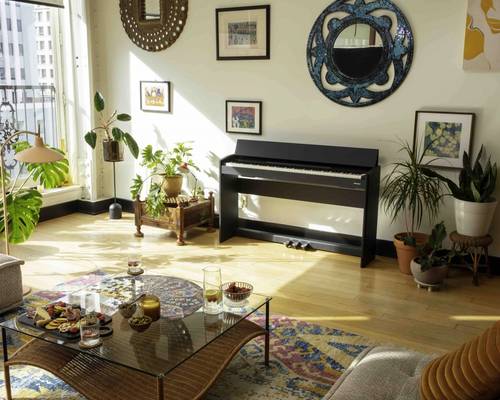
How Piano Practice Builds Consistency and Self-Discipline
Self-discipline and consistency are crucial personal qualities in the contemporary life but are becoming more challenging to master. The learning of piano provides a natural and effective method of developing both in a structured form of learning, in a progressive manner and through long term commitment. This paper will examine how practice in the piano will develop the consistency over the time, why the self-discipline will develop naturally at the instrument and the applicability of these abilities far beyond music in the life.
Piano & Lifelong Learning
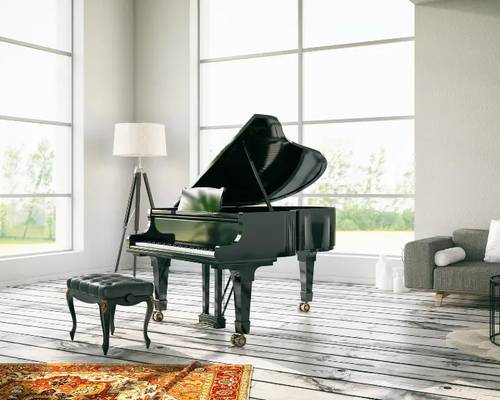
The Reason behind the Rise of Piano Learning among Mature Beginners in the world.
The world has witnessed a potent surge in piano learning among adult learners. More individuals are learning the piano later in their lives and this is due to the flexibility of digital tools, lifestyles and now people are more focused on their personal development. The article discusses the reasons why this trend is being experienced, how adult learners treat piano differently, and why this trend is transforming the contemporary culture of the piano.
Piano & Modern Skills
The reason Learning Piano Is Better than Multitasking in a Distracted World.
Piano learning is becoming an effective tool to reconnect attention and deep thinking in a day and age where we are bombarded with notifications and do not spend enough time in deep contemplation. The mental clarity ensured by years of discipline in the practice of the piano may be that which is afforded by very few activities because it demands constant focus, physical coordination and active listening. This paper discusses the connection between learning the piano and attention, the level of cognitive and mental discipline and the reason why more and more individuals are turning to the piano to overcome distraction in the modern world.
The Culture of Piano and Contemporary Music.
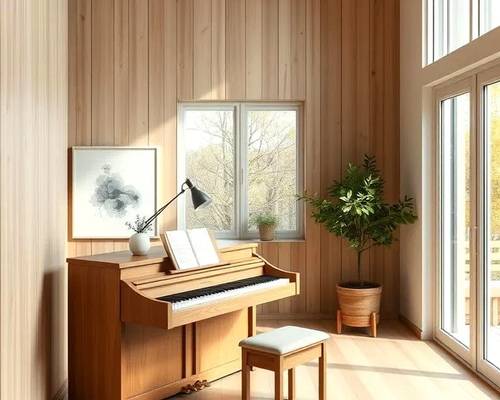
The reason why Minimalist Piano Music is becoming a sound of this decade.
The minimalist piano music has come out as one of the most effective sounds of the modern age. The style is marked by its simplicity, repetition, and restraint, and they are defining the manner in which individuals listen, create, and relate to piano music nowadays. This paper delves into the reasons behind the growth of minimalist piano in popularity all over the world, its reflection of the contemporary life, and why it is a simply a new voice of this decade.
Piano & Future Learning
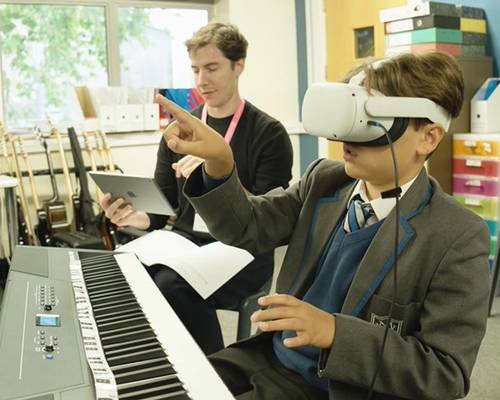
The Way AR is beginning to transform Piano Learning.
The concept of augmented reality is gradually presenting itself in the business of piano study, providing a fresh interpretation of music, technique, and practice. AR is transforming the interaction between pianists and the keyboard by combining digital guidance and physical instruments to create a new approach to playing the piano. This paper discusses the reasons behind the growing interest in augmented reality learning of piano, its functionality as well as its potential future impact on the teaching of piano.The concept of augmented reality is gradually presenting itself in the business of piano study, providing a fresh interpretation of music, technique, and practice. AR is transforming the interaction between pianists and the keyboard by combining digital guidance and physical instruments to create a new approach to playing the piano. This paper discusses the reasons behind the growing interest in augmented reality learning of piano, its functionality as well as its potential future impact on the teaching of piano.