
Piano & Digital Culture
The reason behind why the short-form piano content is redefining how music is discovered.
The video platforms with short video content are changing the way individuals learn about piano music. It is seen that viral piano reels and cinematic performance clips have been letting pianists reach audiences across the world in seconds and not years. This paper discusses why the work of short-form content in the piano is transforming visibility, creativity, and learning, and why this tendency is reinventing the concept of what makes a contemporary pianist.
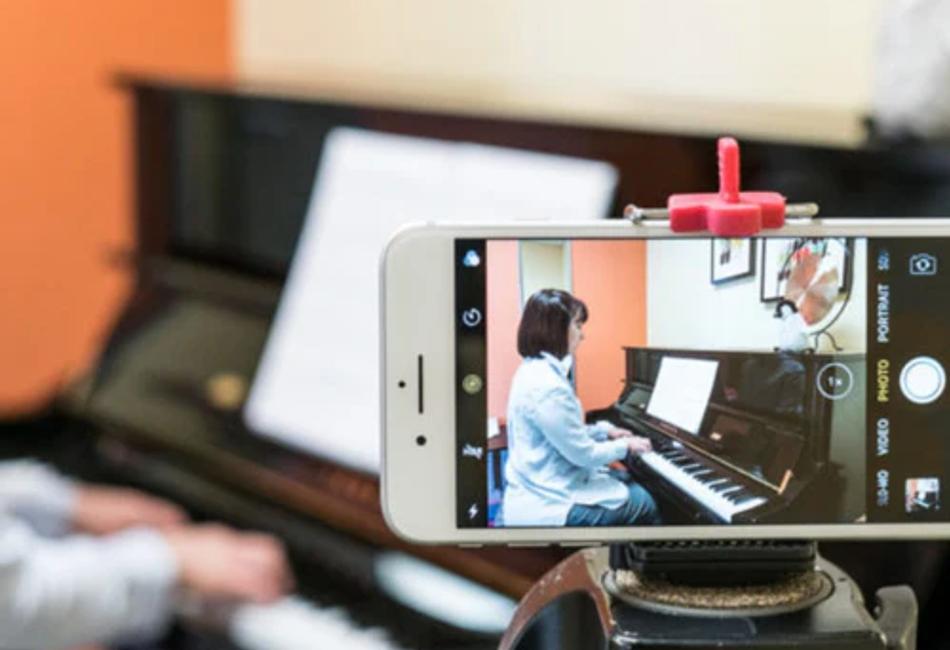
There is a drastic change on how people get to learn about piano music. Decades ago the exposure was either through concert halls, official recordings or decades of study before being recognized by the masses. Nowadays, a pianist is able to access millions of listeners with a thirty seconds video on a cell phone. The short form content has changed the laws of musical discovery and the piano has come out as one of the most effective instruments in this transformation.
Video-based platform companies have established a new platform in which emotion, simplicity and visual storytelling can be as important as technical skills. The competition of the pianists is not restricted to other musicians anymore but to all types of digital content. This new environment has compelled the redefinition of the way the piano music is presented, consumed, and appreciated.
Instead of being undermined by the piano, the short-form content has provided it with a new cultural significance.
The way Short-Form Platforms Discover Music
The discovery of music used to be intentional. Albums were sought out by listeners, they went to concerts or trailed artists. The reversal of this process was achieved through short-form platforms. Music is no longer sought out by its seeker.
This format especially suits piano music. One emotional word or a visual attractive performance is enough to grab attention immediately. However, piano music does not need elaborate lyrics or production, as it is understood, and the use of sound and motion is the immediate form of communication.
This immediacy allows the piano to be used in the case of a short form discovery where the initial few seconds define whether one will proceed to watch or not.
Why is Piano such a Success in Short Videos?
Piano performances are visualized in a manner that is not easy to translate using other instruments. Visual rhythm is achieved through the movement of hands, symmetry of keys and the physical contact of performer and instrument even without sound.
Cinematic content in piano can be achieved through lighting, camera angles or expressive playing when used with strong lighting, camera angles or expressive playing. The audience is sucked into an experience instead of a technological presentation.
The videos that are short do not prefer the complex but rather the emotional. Piano music is renowned in conveying emotion in the shortest time and hence it is most appropriate in this kind of setting.
The Change of Full Productions to Musical Instances

Short-form content is focused on moments instead of full works. As opposed to complete pieces, pianists emphasize climax, transits, or emotionally charged phrases.
This change does not diminish the value of music. It reframes it. The introduction of viewers to music is through a feeling that is followed by curiosity. The number of listeners who find a pianist in a brief clip and then want to watch complete performances in different places is significant.
The video clip goes beyond a gateway towards the goal.
The Way This Trend is Shifting Piano Creativity
Brief form media values originality and brevity. Pianists improvise by making arrangements, improvisations or reimaginations that are fast communicating.
This has increased minimalist arrangement, cinematic texture and emotional direct playing. Complexity has not been eliminated but it is implied more than it is shown.
The creativity becomes not as much time as effect. Pianists get to know how to lessen things and say more.
The Emergence of Piano as a Visual Storytelling
Piano texts on short-form media normally narrate a story without words. The atmosphere is achieved through visual elements like lighting, setting and camera movement in combination with sound.
Lots of piano players construct the performances that are aimed at the camera. They take into account the first second the viewer is experiencing and not only the final chord. This understanding has increased the meaning of piano performance.
The instrument is integrated into a graphic story as opposed to being a single source of sound.
The reason why this trend is used to attract new learners of the piano
Piano content in the short form has triggered a novel generation of learners. Most amateurs do not enter into the world of the piano playing by attending concerts but by means of clips that are easy to relate to and attainable.
Pianists in homes, studios, or normal places will eliminate intimidation. Piano does not seem far off. This familiarity promotes experimentation and interest.
The process of learning starts with inspiration and not compulsion.
The influence of short-form content on expectation is how it modifies the viewer expectations
Customers are now demandant of instantaneousness. Embracing authenticity at the expense of perfection is attractive to them. Successful pianists in this space usually tend to be vulnerable, simple or naked.
This does not imply that there are reduced standards. Expectations have shifted. Complexity does not matter as much to the viewers as connection does. An emotionally void technical performance is not always felt.
This shift challenges the way that pianists can think about their communication through music.
The Art-Algorithms Tradeoff
Engagement is rewarded with the use of algorithms on short-form platforms. Pianists have to juggle between artistry and publicity.
There is some apprehension that algorithmic-based sites diminish the value of art. Nevertheless, most of the pianists employ such systems tactically. They use short videos as gateways and maintain the richness in other places.
The knowledge of this balance enables the pianists to be upright without disregarding the realities of the times.
The reasons Traditional Piano Training Should Not Prepare Musicians to this Shift
Old style teaching of piano focuses on long term, systematic attacks and official interpretations. Short-form platforms require immediacy, flexibility, and visual cognizance.
This disparity is the reason why there are some really good pianists who cannot make a splash online and those with relatively lesser skills attract huge followings. It is simply a matter of communication, and not musicianship.
The trend brings into focus the necessity of the wide musical education that comprises presentation and digital awareness.
The ways teachers are reacting to the trend
Short-form content has become recognized by many teachers of the piano. Others also incorporate video performance in lesson where students are encouraged to record and share short videos.
The practice enhances confidence, concentration and self awareness. Students get to know how they sound and appear to others, thus this improves performance skills.
Instead of being opposing to the trend, teachers become more and more adjusted to it.
The psychological effect of Pianists
Short form platforms offer instant feedback in terms of views and interaction. This can either encourage or demoralize depending on the point of view.
Positive interaction involves a detachment of metrics and self-worth. A benefit to short-form content goes mostly to pianists who perceive it as expression and not validation.
These platforms can serve as creative channels as opposed to pressure-inducing ones when s/he uses them thoughtfully.
The reason why the trend is here to stay
Shorter form texts are representative of more extensive cultural practices. Attention spans, mobile consumption and visual story telling are not fads.
Piano music is adjustable since it is adaptable and emotionally straight forward. As long as individuals desire meaningful experiences within the fast-paced settings, the pieces of piano will be pertinent.
This is not substituting the traditional culture of piano. It is expanding it.
The Future of Piano Visibility
With the changing technology, there will be a possibility of this making short-form piano content to be more immersive. Improved audio, spatial sound, and interactive can enhance interactivity.
Pianists who know how to tell stories, feel and are authentic will remain to flourish. The timeless nature of the instrument has guaranteed that it is present in platforms.
The piano is not losing depth. It is gaining reach.
The reason why Pianists ought to appreciate this change
This trend does not need one to be an influencer to understand it. It involves the identification of audience interaction with the music in the modern world.
Agency is achieved in pianists who are aware of modern discovery channels. They determine the way of offering their art, instead of being obscured in noise.
Opportunity is created by awareness but not by coercion.
Conclusion
Music is being discovered, shared and experienced in new ways by short-form piano content. It can encourage more people to listen to piano music by focusing on the emotional appeal, accessibility, and visual presentation of the story, as one might not ever be able to go to a concert hall.
Piano tradition is not undermined by this trend. It reinforces it by expanding its influence to the contemporary culture. Those pianists who consider this transition intelligently, discover new means of communicating, motivating as well as staying pertinent in a digital age.
Piano has never been resistant to cultural change. Its latest form is the short-form content.
More from the blog
Keep exploring new ideas
Piano: Psychological Development.
How Piano Learning Improves Memory Over Time
The process of learning, adaptation, and growth of people is mainly driven by memory. Learning Piano has emerged as one of the effective techniques of memory reinforcement via formal repetition, auditory, coordination and recalling over time. This article discusses the process by which practicing piano develops various forms of memory, reasons why these advantages become increasingly more effective, and how the benefits of learning a piano help to retain in the minds of non-musical areas.
Piano & Skill Development
How Piano Practice Builds Consistency and Self-Discipline
Self-discipline and consistency are crucial personal qualities in the contemporary life but are becoming more challenging to master. The learning of piano provides a natural and effective method of developing both in a structured form of learning, in a progressive manner and through long term commitment. This paper will examine how practice in the piano will develop the consistency over the time, why the self-discipline will develop naturally at the instrument and the applicability of these abilities far beyond music in the life.
Piano & Lifelong Learning
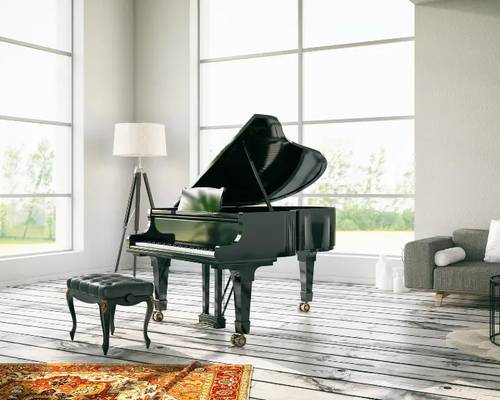
The Reason behind the Rise of Piano Learning among Mature Beginners in the world.
The world has witnessed a potent surge in piano learning among adult learners. More individuals are learning the piano later in their lives and this is due to the flexibility of digital tools, lifestyles and now people are more focused on their personal development. The article discusses the reasons why this trend is being experienced, how adult learners treat piano differently, and why this trend is transforming the contemporary culture of the piano.
Piano & Modern Skills
The reason Learning Piano Is Better than Multitasking in a Distracted World.
Piano learning is becoming an effective tool to reconnect attention and deep thinking in a day and age where we are bombarded with notifications and do not spend enough time in deep contemplation. The mental clarity ensured by years of discipline in the practice of the piano may be that which is afforded by very few activities because it demands constant focus, physical coordination and active listening. This paper discusses the connection between learning the piano and attention, the level of cognitive and mental discipline and the reason why more and more individuals are turning to the piano to overcome distraction in the modern world.
The Culture of Piano and Contemporary Music.
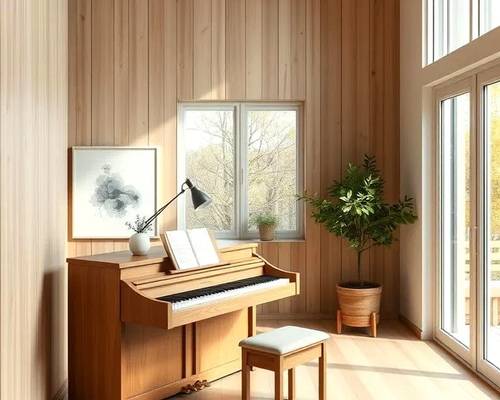
The reason why Minimalist Piano Music is becoming a sound of this decade.
The minimalist piano music has come out as one of the most effective sounds of the modern age. The style is marked by its simplicity, repetition, and restraint, and they are defining the manner in which individuals listen, create, and relate to piano music nowadays. This paper delves into the reasons behind the growth of minimalist piano in popularity all over the world, its reflection of the contemporary life, and why it is a simply a new voice of this decade.
Piano & Future Learning
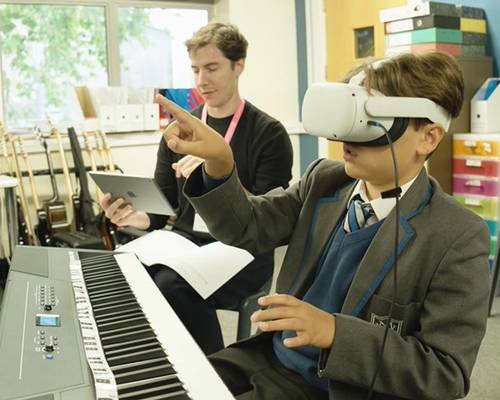
The Way AR is beginning to transform Piano Learning.
The concept of augmented reality is gradually presenting itself in the business of piano study, providing a fresh interpretation of music, technique, and practice. AR is transforming the interaction between pianists and the keyboard by combining digital guidance and physical instruments to create a new approach to playing the piano. This paper discusses the reasons behind the growing interest in augmented reality learning of piano, its functionality as well as its potential future impact on the teaching of piano.The concept of augmented reality is gradually presenting itself in the business of piano study, providing a fresh interpretation of music, technique, and practice. AR is transforming the interaction between pianists and the keyboard by combining digital guidance and physical instruments to create a new approach to playing the piano. This paper discusses the reasons behind the growing interest in augmented reality learning of piano, its functionality as well as its potential future impact on the teaching of piano.