
Online Piano Learning
the piano music making a universal language of emotion across cultures
Piano music has transcended borders, cultures, and generations to become a universal language of emotion. Free from words and cultural limits, it communicates feeling through sound, silence, and expression. This article explores how the piano connects people worldwide, adapts across traditions, and continues to speak to shared human emotions in a globalized world.
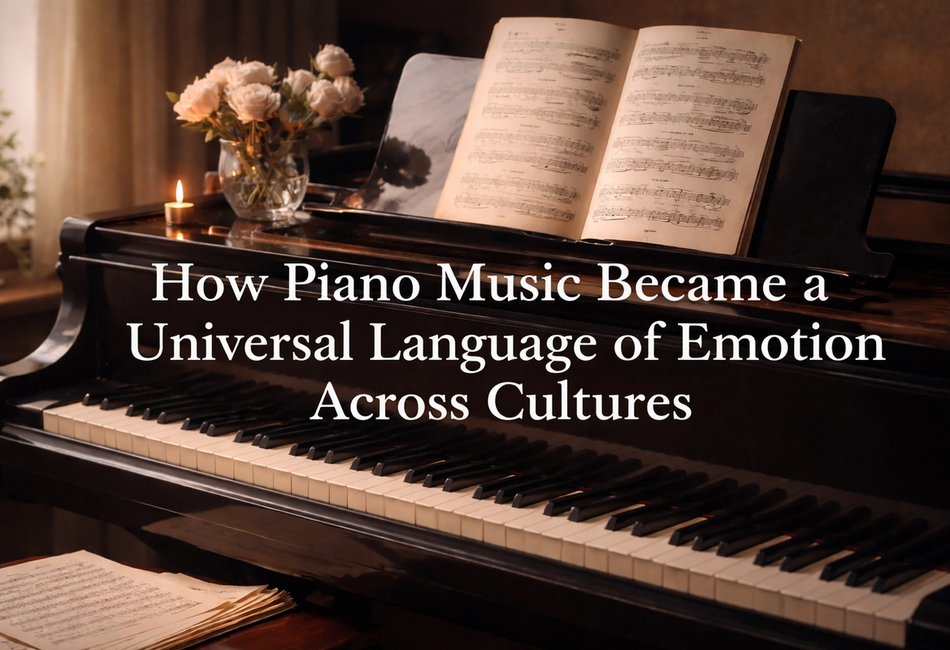
Piano music does occupy a special place in the human culture. It is all around us-no matter what continent, language, belief system, or generation-it never seems out of place. Without translation, a piano tune in one part of the world can transport a listening audience to the other parts of the globe. This cross-cultural accessibility of emotions is not by chance. It is the culmination of centuries of cultural assimilation, emotional appeal and human association.
Instrumental music is very much connected to the tradition itself or the area where it flourished but the piano was able to transcend boundaries at a very early time in its history. With time it ceased to be a cultural object and turned into a common emotion language. Today, piano music addresses everyone, irrespective of the background making it one of the most widely known forms of expressing music.
Piano Neutrality of Emotion and its Importance
Piano music is so easy to move across cultures because it is emotionless. The piano is not imposing meaning. It does not require the interpretation. Rather it establishes emotional space.
Piano music is not dominated by the lyrics or cultural symbolism like the music based on lyrics, and so the listeners could add their emotional meaning to it. A song may seem to be happy to one individual and pensive to another with no contradiction. This is the openness that renders the piano inclusive (not exclusive) in terms of feeling.
Due to that, piano music is naturally adjusted to various emotional scenery. It is not a part of a single story--it is the part of numerous.
The way the Piano Crossed the Cultural Borders
The piano originally was a Western instrument, although its dissemination was quick and metamorphic. It did not oust local music traditions, as it entered other cultures, but became part of them.
The piano merged with the traditional melodic structures in Asia.
In Africa, it fused with rhythm oriented musical expression.
It was accustomed to in the Middle East to the elaborate phrasing of emotions.
Instead of implementing a single style, the piano was influenced by local influences. This flexibility enabled it to be culturally flexible and yet not lose identity. Gradually, it began to be no longer felt as foreign and began to become familiar everywhere.
The reason behind Piano Music being emotionally honest around the world
Piano music is sincere since it reveals the feeling in a straightforward manner. The sound is also immediate to touch and there is not much space to be artificial. There is no disguise of layered notes--each note echoes a purpose.
This candor is familiar to all. Humans have the instinct of believing in sound that is transparent. It does not matter whether one knows the learning about music theory or not, they can experience sincerity.
This emotional clarity enables piano music to speak even if one goes across cultural boundary lines without any misunderstanding. It is expressed by sentiment and not description.
The place of Simplicity in Universal Understanding
One of the strongest features of the piano is simplicity. Even one melody, slow but without complexity, can have an emotional meaning. This simplicity eliminates obstacles to knowledge.
In most societies, emotional expressiveness is much about being clear rather than exuberant. The piano goes well with this principle. It can be the sound that is not excessive, but at the same time, expressive.
This harmony renders piano music to be easily comprehended by all categories of people including people with no musical background.
The Piano and common human emotions
Emotions in human beings are universal. There are happiness, sadness, hope, desire, tranquility, and tension. These are the natural emotional rhythms that find reflection in Piano music.
- The melodies swelling upwards tend to feel optimistic.
- Slow tempos feel reflective.
- Soft dynamics feel intimate.
Such emotional indications are cross-culturally intuitively interpreted. The piano does not require translation since it is already corresponding to emotional perception, but not cultural training.
The reason Why Piano Music Succeeds without Lyrics
Music is restrained by lyrics. This limitation is not present in Piano music.
Piano music does not need words to eliminate cultural and linguistic barriers. The audience does not have to listen to vocabulary, grammar and symbolism. They do not react in an intellectual way, but in a passionate manner.
This liberation enables piano music to be an emotional experience of the collectivity. It does not make it selective but inclusive.
The Piano as an Accomplishment in the intimate times
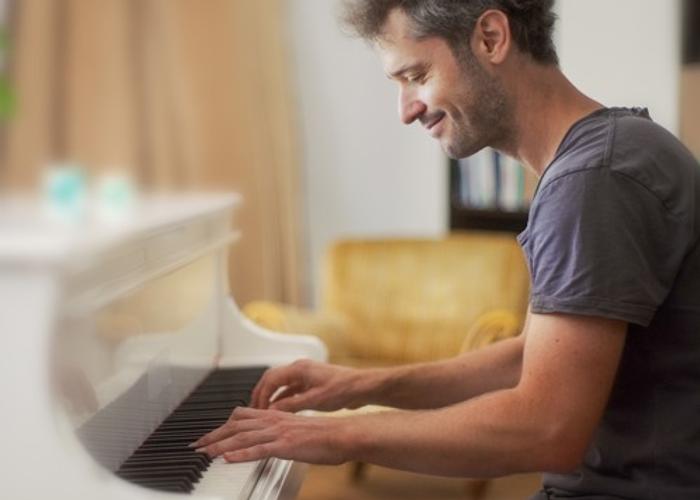
Piano music is performed in the most intimate situations in different cultures: in moments of contemplation, sorrow, joy, and development. It does not go with masses but with people.
Since the piano music does not impose itself with attention, then it is safe in the time of emotional weakness. Words fail and people resort to it.
This intimate relationship makes it more emotional and serves to further support the fact that the piano is a universal companion, and not merely a performance instrument.
Piano Music of Rituals, Ceremonies and Memory
The culture of the piano music has existed in key life events in most societies, such as wedding, funeral, college, and milestones. Such scenes are emotional, and piano music does not interrupt.
Piano music also adds meaning instead of overwhelming the moment, as it does not take control of it. This is an unconscious nature that renders it good in rituals among cultures.
The melodies of piano are gradually related to memory in the course of time. A well-known melody is able to bring back feelings related to certain events, irrespective of cultural affiliation.
This is why Piano Music Fits Film Across Cultures So Well
The movie industry depends on the use of piano music to express emotion all over the world. When films are distributed abroad, the soundtracks are usually played with the piano as it interprets emotion with no dialogue.
The piano theme may depict loss, hope, transformation, or reflection in an approach that is natural to audiences around the world. This universality of piano music renders it one of the surest instruments in the narration.
The directors have faith in the piano since it fails to distort the emotion, but enhances it.
The Mental Relationship between Piano Music and Emotion
Piano music is something that involves cognitive and emotional systems psychologically. Its foreseeable form is stable and its expressive capacity provokes emotional reaction.
This harmony brings in comfort. The listeners are emotionally involved and not overpowering. This is the same effect in all cultures.
The psychological influence of piano music is universal, as the emotional processing has the same neurological processes throughout the world.
The Piano in the Relationship with silence
Piano music involves the use of silence. Breaks allow the audience time to think and connect on an emotional level. This appreciation of silence is in line with most cultural philosophies that regard restraint.
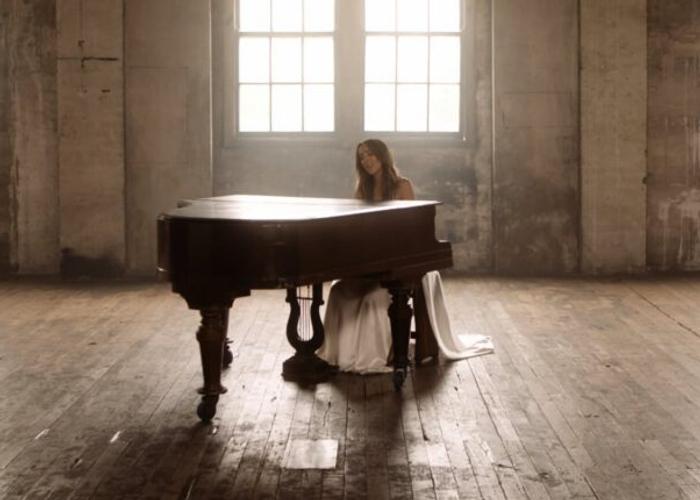
Silence enables meaning to come out as opposed to being imposed. This is a strategy that cuts across the cross-cultural dimensions that believe in moderation and balance.
The connection of the piano music with silence is somehow eternal and human in a loud world.
The Music that makes Piano Pure across Generations
The way by which each generation relates to piano music varies, but the meaning is the same. Children respond to melody. Adults respond to emotion. Elders respond to memory.
The piano transforms without altering its nature. This flexibility of generation makes the continuity and not obsolescence.
Contrary to trend-driven music, the piano music does not get old and become irrelevant.
The Piano between Tradition and Modernity
The piano is perfectly in the middle of tradition and modern innovation. There are classical pieces that are in coexistence with the modern styles, minimalist compositions and experimentation.
Such coexistence enables the relevance of piano music not to leave history behind. The cultures that cherish the past and those that are modern have a sense in the piano.
It does not impose a decision--it provides continuity.
The reason Piano Music Can evoke Emotional Reflection
Piano music calls one to self-reflection. It has a slow pacing and low tone that makes one listen as opposed to responding. This reflective aspect is in line with human emotional needs in the intercultural context.
Piano music has been referred to as thoughtful or deep by people as it provides room to talk to oneself.
This is a reflective role which makes it universal.
The role of the Piano in World Education
Education of the piano is common throughout the whole world as the instrument is used in teaching music structure. In societies that do not consider piano traditional it is applied as a base tool.
This educational position exposes the new generations to the piano itself ever so, and bolsters its presence across the world.
Why Piano is Not Subject to Cultural Obsolescence
The piano is not based on innovation. Its emotional appeal is also consistent since it is in line with human nature but not fashion.
The piano will not stop being relevant as long as human beings are emotional.
The Piano as a Sharing of Feeling
The collective listening to piano music by people belonging to different cultures leads to the common emotion. They might have different interpretations of meaning but they have cross over on the emotional experience.
This zone of association creates a bond without assent and piano music is singularly unifying.
Why Piano Music is, and must remain, significant in a Globalized World
Piano music provides a meeting point in a world that is divided by language, politics and ideology. It reminds individuals of emotions.
This is position becoming more and more useful in a disintegrating world.
Conclusion
The part of piano music was experienced as a universal language not by force, but by empathy. The sensitivity, flexibility in its cultural adaptation, and sensitivity to silence make it address individuals everywhere.
Piano music has always spoken the unspeakable across cultures, across generations, and through individual experience. It is not only universal as far as sound is concerned but also in the sense that it embodies the emotional heart of the human race.
The piano will be a world voice so long as individuals desire to express, to meditate, and to be connected--so silent, so sincere, so human.
More from the blog
Keep exploring new ideas
Piano: Psychological Development.
How Piano Learning Improves Memory Over Time
The process of learning, adaptation, and growth of people is mainly driven by memory. Learning Piano has emerged as one of the effective techniques of memory reinforcement via formal repetition, auditory, coordination and recalling over time. This article discusses the process by which practicing piano develops various forms of memory, reasons why these advantages become increasingly more effective, and how the benefits of learning a piano help to retain in the minds of non-musical areas.
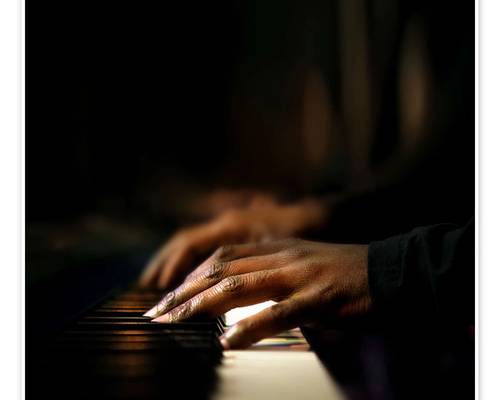
Piano & Skill Development
How Piano Practice Builds Consistency and Self-Discipline
Self-discipline and consistency are crucial personal qualities in the contemporary life but are becoming more challenging to master. The learning of piano provides a natural and effective method of developing both in a structured form of learning, in a progressive manner and through long term commitment. This paper will examine how practice in the piano will develop the consistency over the time, why the self-discipline will develop naturally at the instrument and the applicability of these abilities far beyond music in the life.
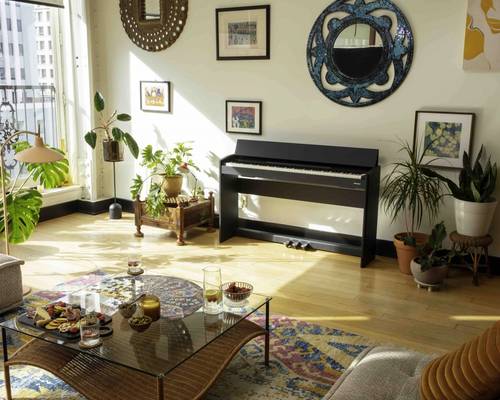
Piano & Lifelong Learning
The Reason behind the Rise of Piano Learning among Mature Beginners in the world.
The world has witnessed a potent surge in piano learning among adult learners. More individuals are learning the piano later in their lives and this is due to the flexibility of digital tools, lifestyles and now people are more focused on their personal development. The article discusses the reasons why this trend is being experienced, how adult learners treat piano differently, and why this trend is transforming the contemporary culture of the piano.
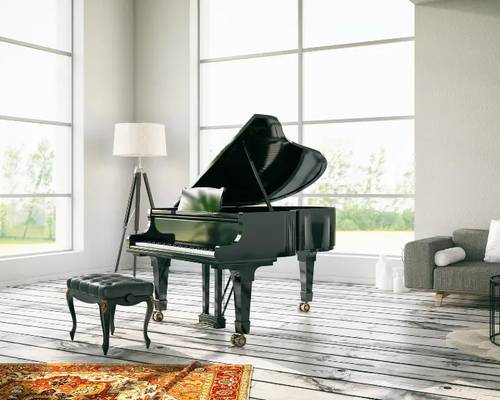
Piano & Modern Skills
The reason Learning Piano Is Better than Multitasking in a Distracted World.
Piano learning is becoming an effective tool to reconnect attention and deep thinking in a day and age where we are bombarded with notifications and do not spend enough time in deep contemplation. The mental clarity ensured by years of discipline in the practice of the piano may be that which is afforded by very few activities because it demands constant focus, physical coordination and active listening. This paper discusses the connection between learning the piano and attention, the level of cognitive and mental discipline and the reason why more and more individuals are turning to the piano to overcome distraction in the modern world.
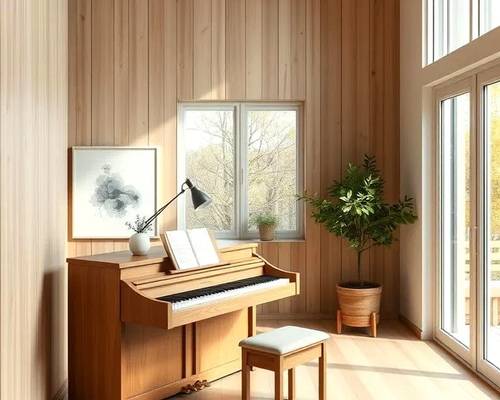
The Culture of Piano and Contemporary Music.
The reason why Minimalist Piano Music is becoming a sound of this decade.
The minimalist piano music has come out as one of the most effective sounds of the modern age. The style is marked by its simplicity, repetition, and restraint, and they are defining the manner in which individuals listen, create, and relate to piano music nowadays. This paper delves into the reasons behind the growth of minimalist piano in popularity all over the world, its reflection of the contemporary life, and why it is a simply a new voice of this decade.
Piano & Future Learning
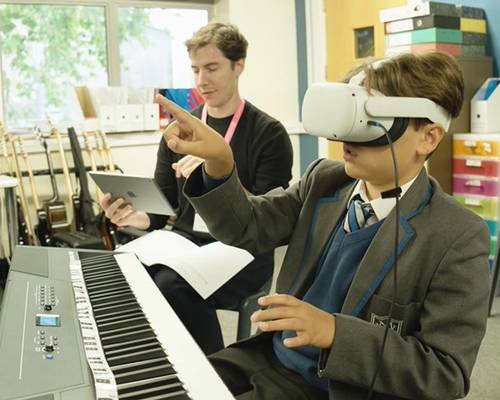
The Way AR is beginning to transform Piano Learning.
The concept of augmented reality is gradually presenting itself in the business of piano study, providing a fresh interpretation of music, technique, and practice. AR is transforming the interaction between pianists and the keyboard by combining digital guidance and physical instruments to create a new approach to playing the piano. This paper discusses the reasons behind the growing interest in augmented reality learning of piano, its functionality as well as its potential future impact on the teaching of piano.The concept of augmented reality is gradually presenting itself in the business of piano study, providing a fresh interpretation of music, technique, and practice. AR is transforming the interaction between pianists and the keyboard by combining digital guidance and physical instruments to create a new approach to playing the piano. This paper discusses the reasons behind the growing interest in augmented reality learning of piano, its functionality as well as its potential future impact on the teaching of piano.