
Piano Inspiration
The Emotional Power of Piano Music: the Reason why it Resonates so strongly with people.
Piano music is very emotional and it can appeal to the listeners in a more intimate level. The paper examines the reasons why piano sounds are more expressive, comforting and powerful than most other instruments- and why people develop such strong emotional attachment to the instrument.

Some music entertains. Some music energizes. But it is more than that, piano music touches the heart. The piano is called the instrument of emotion, and across generations and cultures, they are known as such. Its acoustic is capable of revealing depression, happiness, nostalgia, hope, peace, or desire to an unimaginable extent.
This is one of the emotional reasons why millions of people are attracted to the piano music, though they do not even play this musical instrument.
A Sound That Feels Hum
The extensive scope of the piano is reminiscent of human voice. It may murmur, sob or increase in mighty strength. This variety renders the piano very familiar and easy to relate with.

Each key has weight, tone, and story--something that is immediately felt by the listeners.
Motivation behind Piano Music eliciting Strong Emotions.
The tones of the piano play at the frequencies that have the natural effect of soothing and reassuring the brain. The combination of the high and low notes brings emotional contrast that is highly felt by the mind.
A few reasons why it is powerful:
- Stress is alleviated by slow piano music.
- Minor chords bring about nostalgia or sadness.
- The big chords are the source of warmth and hope.
- There is repetition that creates emotional tension.
- Soft dynamics feel intimate
These aspects make the piano music sound intimate, thoughtful and emotionally authentic.
There is a common Language of Feeling.
The piano can sound whole even when used as a solo instrument as opposed to many other instruments. It contains melody, harmony, and rhythm all in a single location and provides the player with an opportunity to create complete stories using sounds.
This universal language of music touches individuals of all sorts of cultures, whether of language or origin.
The reason why people listen to piano music every day
People listen to piano music in their daily lives whether studying, relaxing to repairing emotional wounds.

Piano music, says the listeners, helps them:
Focus better
- Sleep peacefully
- Work calmly
- Reduce stress
- Heal from emotional pain
It has an overall soothing effect on the mood, which is why piano playlists are played the most all over the world.
Conclusion
People can relate to piano music as it takes into account all the emotions of a person. Its emotional voice, cozying sound, and international language cause it one of the most effective emotional tools of the world. The piano remains a music that reaches the heart whether played live or listened during a quiet moment as hardly as any other sounds.
More from the blog
Keep exploring new ideas
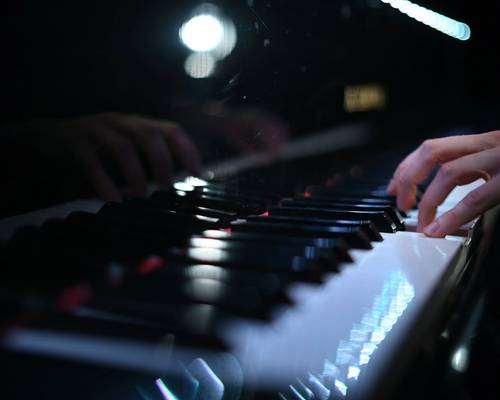
Piano: Psychological Development.
How Piano Learning Improves Memory Over Time
The process of learning, adaptation, and growth of people is mainly driven by memory. Learning Piano has emerged as one of the effective techniques of memory reinforcement via formal repetition, auditory, coordination and recalling over time. This article discusses the process by which practicing piano develops various forms of memory, reasons why these advantages become increasingly more effective, and how the benefits of learning a piano help to retain in the minds of non-musical areas.
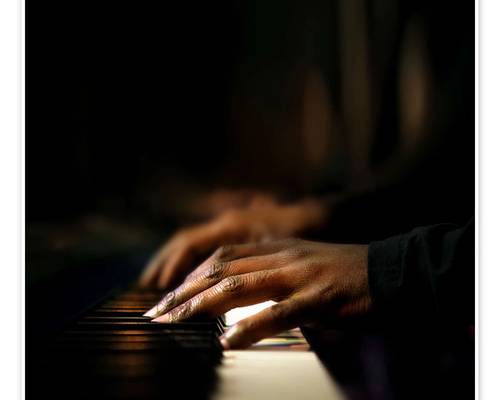
Piano & Skill Development
How Piano Practice Builds Consistency and Self-Discipline
Self-discipline and consistency are crucial personal qualities in the contemporary life but are becoming more challenging to master. The learning of piano provides a natural and effective method of developing both in a structured form of learning, in a progressive manner and through long term commitment. This paper will examine how practice in the piano will develop the consistency over the time, why the self-discipline will develop naturally at the instrument and the applicability of these abilities far beyond music in the life.
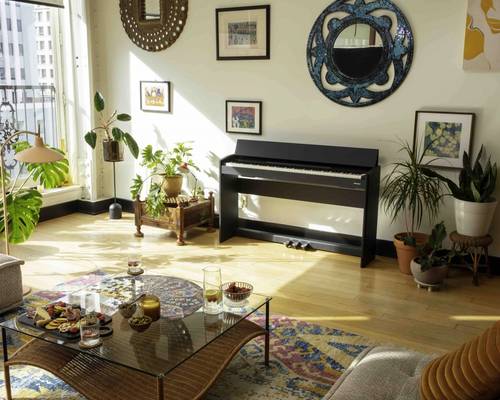
Piano & Lifelong Learning
The Reason behind the Rise of Piano Learning among Mature Beginners in the world.
The world has witnessed a potent surge in piano learning among adult learners. More individuals are learning the piano later in their lives and this is due to the flexibility of digital tools, lifestyles and now people are more focused on their personal development. The article discusses the reasons why this trend is being experienced, how adult learners treat piano differently, and why this trend is transforming the contemporary culture of the piano.
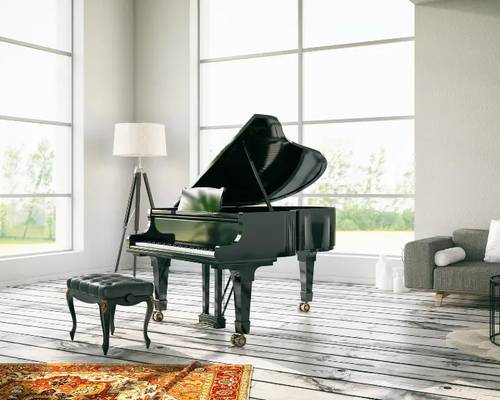
Piano & Modern Skills
The reason Learning Piano Is Better than Multitasking in a Distracted World.
Piano learning is becoming an effective tool to reconnect attention and deep thinking in a day and age where we are bombarded with notifications and do not spend enough time in deep contemplation. The mental clarity ensured by years of discipline in the practice of the piano may be that which is afforded by very few activities because it demands constant focus, physical coordination and active listening. This paper discusses the connection between learning the piano and attention, the level of cognitive and mental discipline and the reason why more and more individuals are turning to the piano to overcome distraction in the modern world.
The Culture of Piano and Contemporary Music.
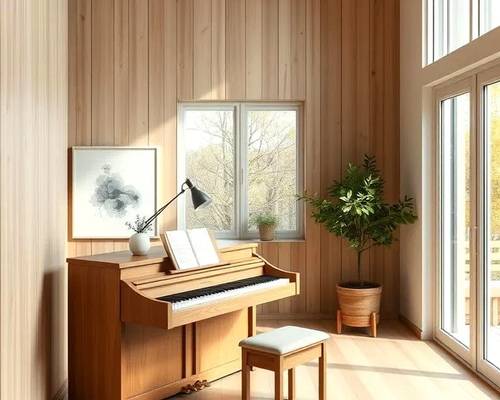
The reason why Minimalist Piano Music is becoming a sound of this decade.
The minimalist piano music has come out as one of the most effective sounds of the modern age. The style is marked by its simplicity, repetition, and restraint, and they are defining the manner in which individuals listen, create, and relate to piano music nowadays. This paper delves into the reasons behind the growth of minimalist piano in popularity all over the world, its reflection of the contemporary life, and why it is a simply a new voice of this decade.
Piano & Future Learning
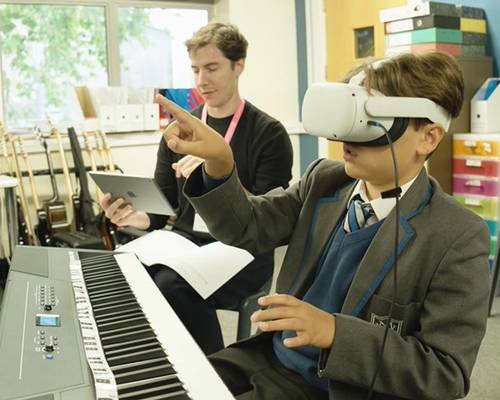
The Way AR is beginning to transform Piano Learning.
The concept of augmented reality is gradually presenting itself in the business of piano study, providing a fresh interpretation of music, technique, and practice. AR is transforming the interaction between pianists and the keyboard by combining digital guidance and physical instruments to create a new approach to playing the piano. This paper discusses the reasons behind the growing interest in augmented reality learning of piano, its functionality as well as its potential future impact on the teaching of piano.The concept of augmented reality is gradually presenting itself in the business of piano study, providing a fresh interpretation of music, technique, and practice. AR is transforming the interaction between pianists and the keyboard by combining digital guidance and physical instruments to create a new approach to playing the piano. This paper discusses the reasons behind the growing interest in augmented reality learning of piano, its functionality as well as its potential future impact on the teaching of piano.