
Piano Benefits
The Benefits of Learning Piano for Mental and Emotional Well Being
Learning piano is more than a musical skill. It strengthens the brain, reduces stress, boosts emotional balance, and creates a deep sense of personal fulfillment. This article explores how piano playing improves mental and emotional well-being at every age
The piano is regarded as an instrument of beauty, although its influence is much more than music. Studying and playing piano occupies the human brain in distinct ways by enabling the people to become more emotionally healthy, more alert, and having a peaceful mind. The emotional benefits of learning to play piano are strong and enduring whether the learner is an adult, a child, or a senior.
The Strength of the brain through Piano Playing.
When one plays the piano, there are more than two parts of the brain that are engaged. It demands attention, hearing, coordination, and memory and hence is one of the best mental activities.
It has been established that piano students tend to encounter:
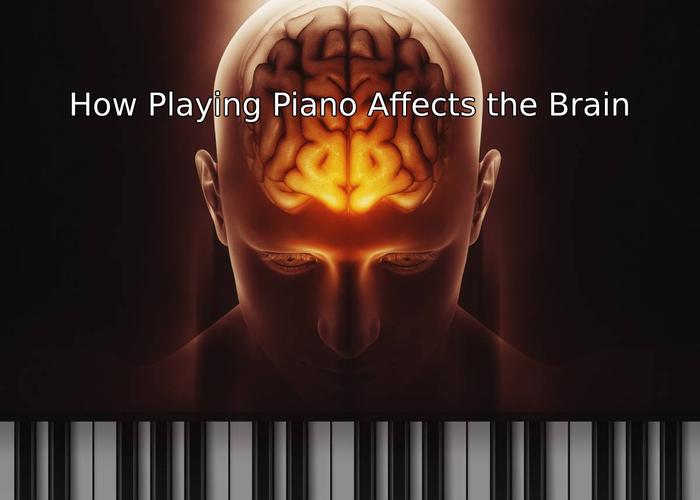
It has been established that piano students tend to encounter:
- Improved memory
- Speedier thinking capabilities.
- Increased concentration
- Increased multitasking skills.
The regular movements of the two hands also improve the inter-hemisphere brain communication.
Piano as a Stress-Reducing Measure.
When you seat before the piano you forget about the worries and listen to the music. The expression through music of course relaxes the nerves and diminishes anxiety.

Why it works:
- Breathing is controlled by slow, slow rhythms.
- Emotional tension is discharged through creative expression.
- Listening to music activates the feel-good chemicals in the brain.
- A few minutes of play will have a calming impact.
Music as an expression of emotion.
Piano enables individuals to convey the feelings they might not say easily. The variety of tones it offers allows the players to express sadness, happiness, excitement or peace.
Music is a way to make a subjective outburst, making the individuals relate to their inner thoughts and find clarity.
Developing self-respect and Confidence.
Every new thing studied regardless of size is a success. These achievements create confidence in the long run.
Piano learners often notice:
- A feeling of pride of elevation.
- Increased motivation
- Stronger discipline
- Higher self-esteem
Piano inspires patience and commitment, which can be applied in everyday life.
The role of Piano in Emotional Balance.
Music is able to affect mood. The regular playing of piano contributes to the normalization of emotions through the discharge of tension and allowing positive emotions.
It helps to be mindful, enabling players to remain present, focused and centered.
Conclusion
Practicing piano is a way of developing the mind and emotions. The reduction of stress to improvement of brain activity and confidence development are just a few examples of what can be achieved with the help of music. Piano is not only an instrument, but it is a potent weapon in the mind and heart.
More from the blog
Keep exploring new ideas
Piano: Psychological Development.
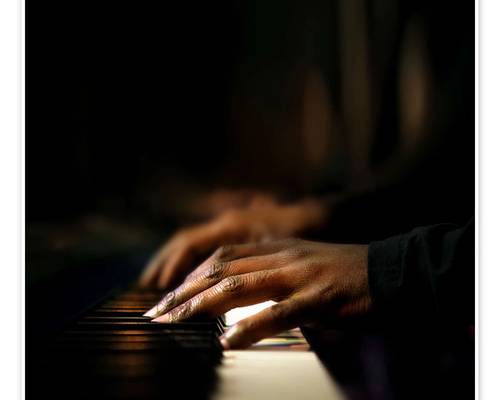
How Piano Learning Improves Memory Over Time
The process of learning, adaptation, and growth of people is mainly driven by memory. Learning Piano has emerged as one of the effective techniques of memory reinforcement via formal repetition, auditory, coordination and recalling over time. This article discusses the process by which practicing piano develops various forms of memory, reasons why these advantages become increasingly more effective, and how the benefits of learning a piano help to retain in the minds of non-musical areas.
Piano & Skill Development
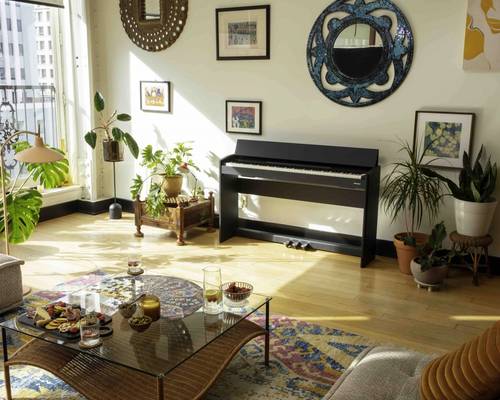
How Piano Practice Builds Consistency and Self-Discipline
Self-discipline and consistency are crucial personal qualities in the contemporary life but are becoming more challenging to master. The learning of piano provides a natural and effective method of developing both in a structured form of learning, in a progressive manner and through long term commitment. This paper will examine how practice in the piano will develop the consistency over the time, why the self-discipline will develop naturally at the instrument and the applicability of these abilities far beyond music in the life.
Piano & Lifelong Learning
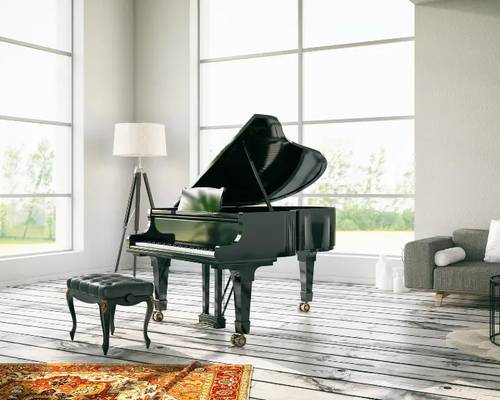
The Reason behind the Rise of Piano Learning among Mature Beginners in the world.
The world has witnessed a potent surge in piano learning among adult learners. More individuals are learning the piano later in their lives and this is due to the flexibility of digital tools, lifestyles and now people are more focused on their personal development. The article discusses the reasons why this trend is being experienced, how adult learners treat piano differently, and why this trend is transforming the contemporary culture of the piano.
Piano & Modern Skills
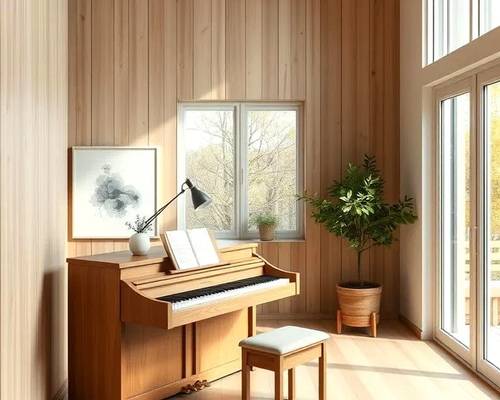
The reason Learning Piano Is Better than Multitasking in a Distracted World.
Piano learning is becoming an effective tool to reconnect attention and deep thinking in a day and age where we are bombarded with notifications and do not spend enough time in deep contemplation. The mental clarity ensured by years of discipline in the practice of the piano may be that which is afforded by very few activities because it demands constant focus, physical coordination and active listening. This paper discusses the connection between learning the piano and attention, the level of cognitive and mental discipline and the reason why more and more individuals are turning to the piano to overcome distraction in the modern world.
The Culture of Piano and Contemporary Music.
The reason why Minimalist Piano Music is becoming a sound of this decade.
The minimalist piano music has come out as one of the most effective sounds of the modern age. The style is marked by its simplicity, repetition, and restraint, and they are defining the manner in which individuals listen, create, and relate to piano music nowadays. This paper delves into the reasons behind the growth of minimalist piano in popularity all over the world, its reflection of the contemporary life, and why it is a simply a new voice of this decade.
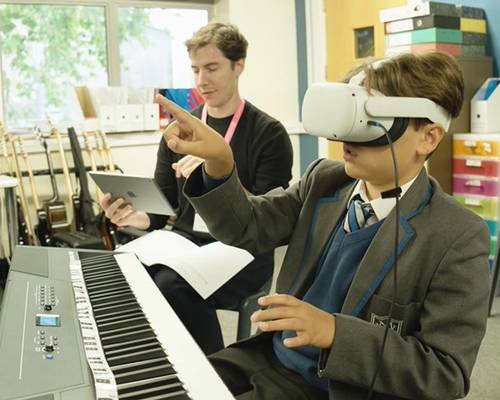
Piano & Future Learning
The Way AR is beginning to transform Piano Learning.
The concept of augmented reality is gradually presenting itself in the business of piano study, providing a fresh interpretation of music, technique, and practice. AR is transforming the interaction between pianists and the keyboard by combining digital guidance and physical instruments to create a new approach to playing the piano. This paper discusses the reasons behind the growing interest in augmented reality learning of piano, its functionality as well as its potential future impact on the teaching of piano.The concept of augmented reality is gradually presenting itself in the business of piano study, providing a fresh interpretation of music, technique, and practice. AR is transforming the interaction between pianists and the keyboard by combining digital guidance and physical instruments to create a new approach to playing the piano. This paper discusses the reasons behind the growing interest in augmented reality learning of piano, its functionality as well as its potential future impact on the teaching of piano.