
Piano Learning Basics
How to Read Sheet Music for Beginners
Learn the basics of how to read sheet music with this beginner-friendly guide. From understanding the staff, clefs, and note values to connecting written notes with piano keys, this step-by-step introduction makes music reading simple, clear, and easy for new learners.
Beginners Guide on how to read sheet music.
One of the most important things that a new pianist could learn is how to read sheet music. Initially, the lines, spaces and symbols can be confusing, but after learning the fundamentals, the whole musical world would be open to you. This simple tutorial will show you all the steps you need to know about reading music in a way that allows you to begin at a low level.
What Is Sheet Music and Why Learn It?
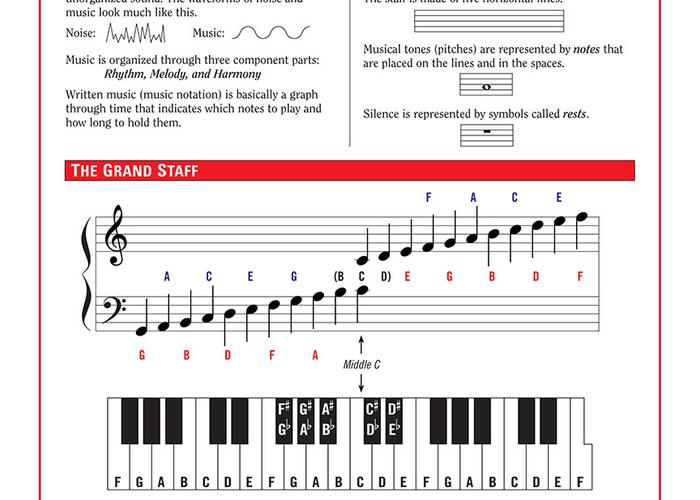
Music is the written language of the sheet music. It directs you on which notes to play, the duration you have to play and how the composition should sound.
To the novice, it is useful to know how to read sheet music to:
- Knowing melody and harmony.
- Playing songs in the right and assured manner.
- Learning new music faster
- Enhancement in rhythm, timing and hand coordination
The Basics of Sheet Music
1.The Staff
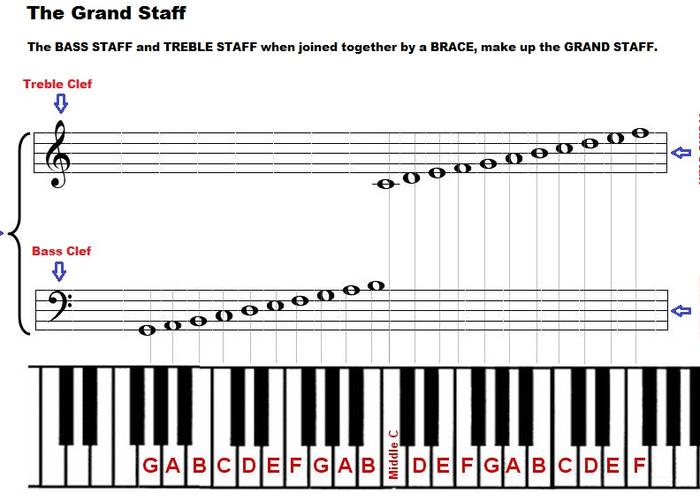
The personnel have five lines and four spaces. A musical pitch is depicted by every line and every space. Piano music has two staffs combined known as the Grand Staff:
- Best personnel: Treble Clef (right hand)
- Bottom staff: Bass Clef (right hand).
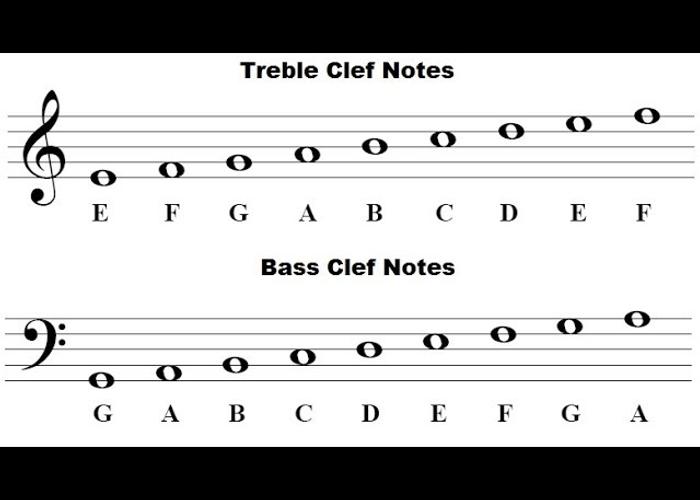
2. Treble Clef (G Clef)
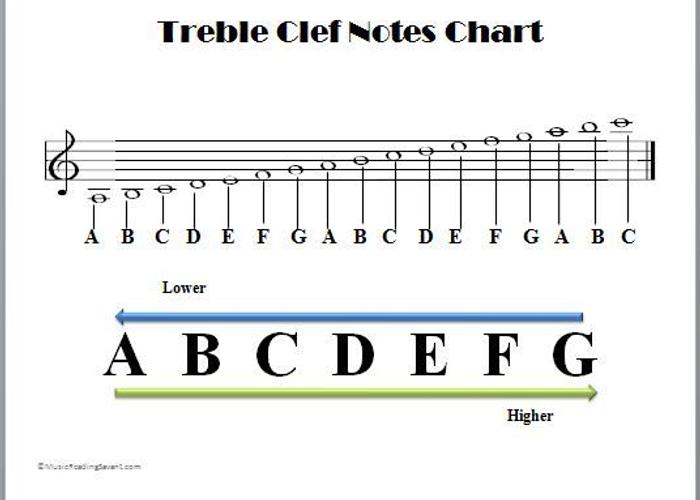
- Higher notes are done in the treble clef.
- Lines (bottom to top): E - G - B - D - F
- Spaces (bottom to top): F - A - C - E
3. Bass Clef (F Clef)
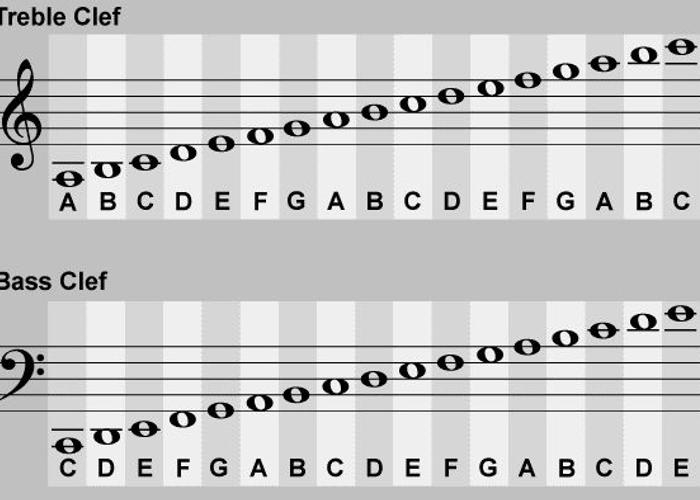
- Lower notes are performed in bass clef.
- Lines (bottom to top): G - B - D - F - A
- Spaces (bottom to top): A - C - E - G
4. Middle C
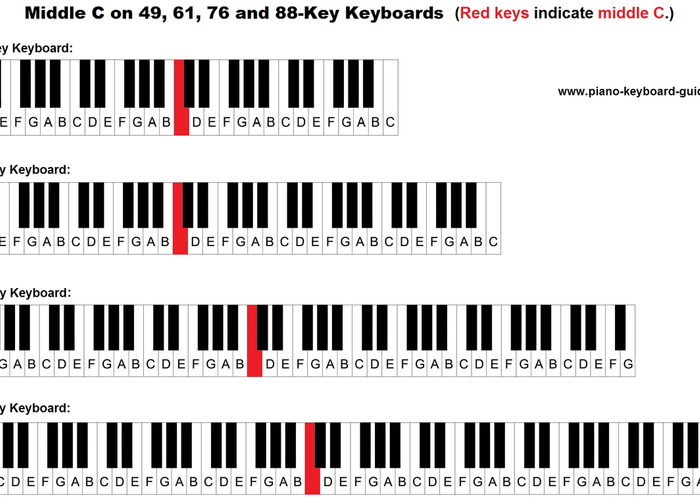
The transition between treble and bass clefs is the Middle C. It is dominated on a short ledger between the two staffs.
It assists the novices in relating notes on the page with keys on the piano.
Knowledge of Rhythm and Notes.
Note Values
Notes are shaped in various forms and the shape of the note can inform you of the length of time you are to hold a note:
- Whole note
- Half note
- Quarter note
- Eighth note
- Sixteenth note
Learning note values assists you in creation of correct rhythm and timing.
Time Signatures
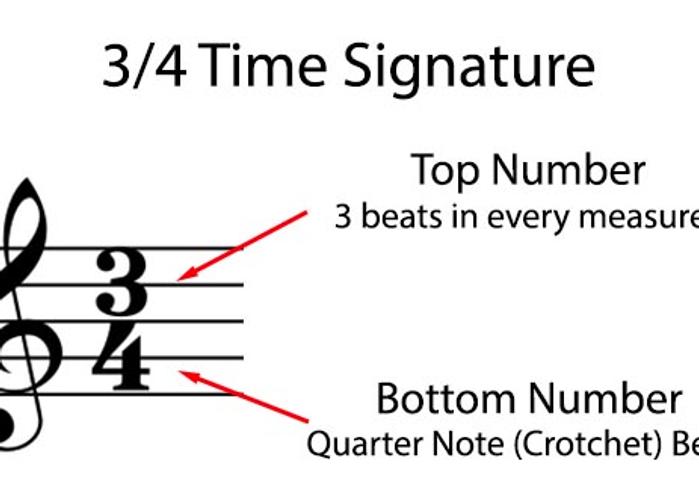
At the beginning of the music, a time signature is placed.
The first measure displays the number of beats per measure.
The lowest figure represents the note which receives the beat.
Example: 4/4 refers to four beats per measure, and the quarter note receives one beat.
Measures and Bar Lines
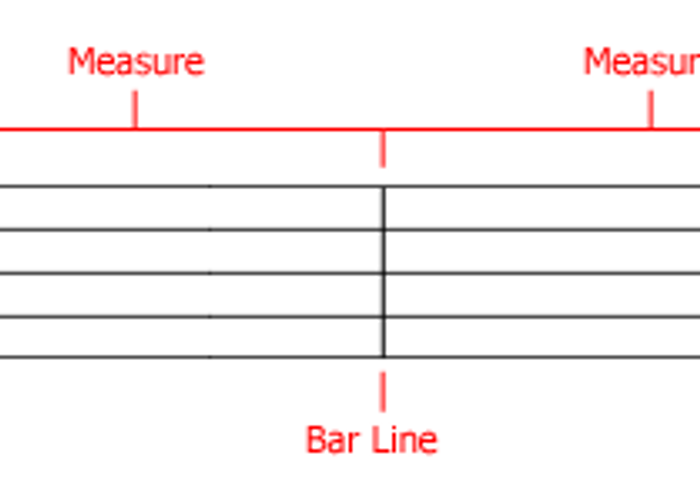
The music is further subdivided into small portions known as measures which are separated by a bar line. These divisions assist in arranging notes and rhythm.
Relating Sheet Music and the Piano
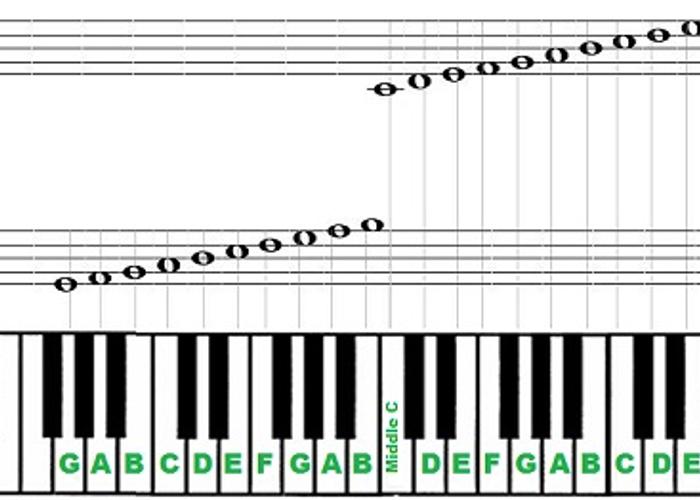
After identifying notes on the staff, you have to identify those notes on the piano.
Tips:
- Take Middle C as your reference.
- Get familiar with the names of the notes of white keys (A B C D E F G).
- Associate the notes on staff with the notes on the keyboard.
- Rude practice gradually and faster as time elapses.
Practicing Reading Sheet Music.

The following are easy instructions that you can follow to develop reading skills:
Start With Treble Clef Notes
Practice the lines and the spaces until you become familiar with them.
Add Bass Clef Notes
The clefs should be read gradually until you master both clefs.
Use Simple Songs
Select simple compositions having repetitive pattern.
Count Out Loud
Helps comes to solidify rhythm and timing.
Practice Daily
Even half a day spent on reading (10-15 minutes a day) is a skill-developing exercise.
Common Sheet Music Symbols
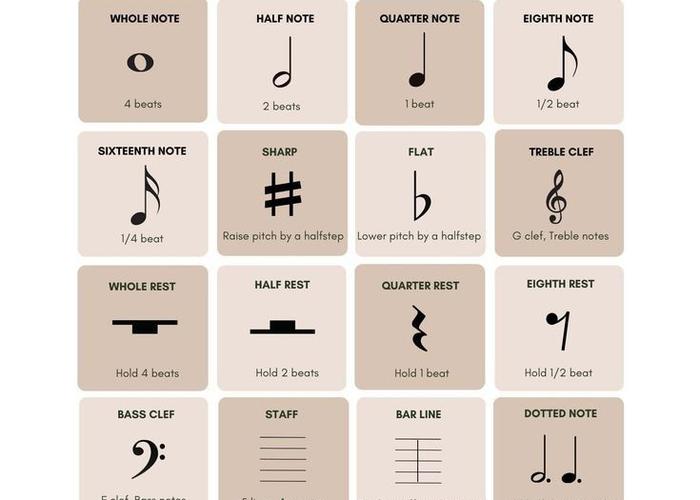
The following are some of the key symbols that you will encounter:
- Sharp (#) raises a note
- Flat (b) lowers a note
- Sharps or flats canceled by nature.
- Forte (f) means loud
- Piano (p) means soft
- Slur is well connected and flowing.
- Staccato has short, sporadic notes.
Conclusion
Sheet music can appear to be a challenging task to read, but with the correct attitude and practice one can become very comfortable and even like reading sheet music. With knowledge of the staff, clefs, notes, rhythms and piano arrangement, a beginner can easily play real songs without hesitation.
More from the blog
Keep exploring new ideas
Piano: Psychological Development.
How Piano Learning Improves Memory Over Time
The process of learning, adaptation, and growth of people is mainly driven by memory. Learning Piano has emerged as one of the effective techniques of memory reinforcement via formal repetition, auditory, coordination and recalling over time. This article discusses the process by which practicing piano develops various forms of memory, reasons why these advantages become increasingly more effective, and how the benefits of learning a piano help to retain in the minds of non-musical areas.
Piano & Skill Development
How Piano Practice Builds Consistency and Self-Discipline
Self-discipline and consistency are crucial personal qualities in the contemporary life but are becoming more challenging to master. The learning of piano provides a natural and effective method of developing both in a structured form of learning, in a progressive manner and through long term commitment. This paper will examine how practice in the piano will develop the consistency over the time, why the self-discipline will develop naturally at the instrument and the applicability of these abilities far beyond music in the life.
Piano & Lifelong Learning
The Reason behind the Rise of Piano Learning among Mature Beginners in the world.
The world has witnessed a potent surge in piano learning among adult learners. More individuals are learning the piano later in their lives and this is due to the flexibility of digital tools, lifestyles and now people are more focused on their personal development. The article discusses the reasons why this trend is being experienced, how adult learners treat piano differently, and why this trend is transforming the contemporary culture of the piano.
Piano & Modern Skills
The reason Learning Piano Is Better than Multitasking in a Distracted World.
Piano learning is becoming an effective tool to reconnect attention and deep thinking in a day and age where we are bombarded with notifications and do not spend enough time in deep contemplation. The mental clarity ensured by years of discipline in the practice of the piano may be that which is afforded by very few activities because it demands constant focus, physical coordination and active listening. This paper discusses the connection between learning the piano and attention, the level of cognitive and mental discipline and the reason why more and more individuals are turning to the piano to overcome distraction in the modern world.
The Culture of Piano and Contemporary Music.
The reason why Minimalist Piano Music is becoming a sound of this decade.
The minimalist piano music has come out as one of the most effective sounds of the modern age. The style is marked by its simplicity, repetition, and restraint, and they are defining the manner in which individuals listen, create, and relate to piano music nowadays. This paper delves into the reasons behind the growth of minimalist piano in popularity all over the world, its reflection of the contemporary life, and why it is a simply a new voice of this decade.
Piano & Future Learning
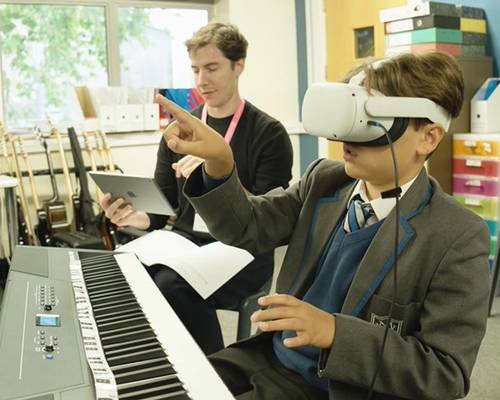
The Way AR is beginning to transform Piano Learning.
The concept of augmented reality is gradually presenting itself in the business of piano study, providing a fresh interpretation of music, technique, and practice. AR is transforming the interaction between pianists and the keyboard by combining digital guidance and physical instruments to create a new approach to playing the piano. This paper discusses the reasons behind the growing interest in augmented reality learning of piano, its functionality as well as its potential future impact on the teaching of piano.The concept of augmented reality is gradually presenting itself in the business of piano study, providing a fresh interpretation of music, technique, and practice. AR is transforming the interaction between pianists and the keyboard by combining digital guidance and physical instruments to create a new approach to playing the piano. This paper discusses the reasons behind the growing interest in augmented reality learning of piano, its functionality as well as its potential future impact on the teaching of piano.