Learn Major and Minor Piano Scales - Beginner Guide
July 8, 2026
Learn Major and Minor Piano Scales - Beginner Guide
Scales are one of the very first things practiced by any pianist because they assist in gaining better finger control and coordination while moving across the keys of the piano. These give you knowledge of certain note patterns found in melodies. It is equally important to practice major and minor piano scales because it not only helps technically, but also makes you feel more at ease while playing on the piano.
What Is a Piano Scale?
A piano scale can be defined as a set of notes arranged in a special order either ascending or descending. There is a unique arrangement for each scale that sets it apart from other scales; every scale sounds differently and creates the foundation for most songs you are likely to encounter as you learn how to play the piano. When searching for beginning piano scales, it is recommended that you learn one before moving to the next one.
Major Scales Sound Bright and Balanced
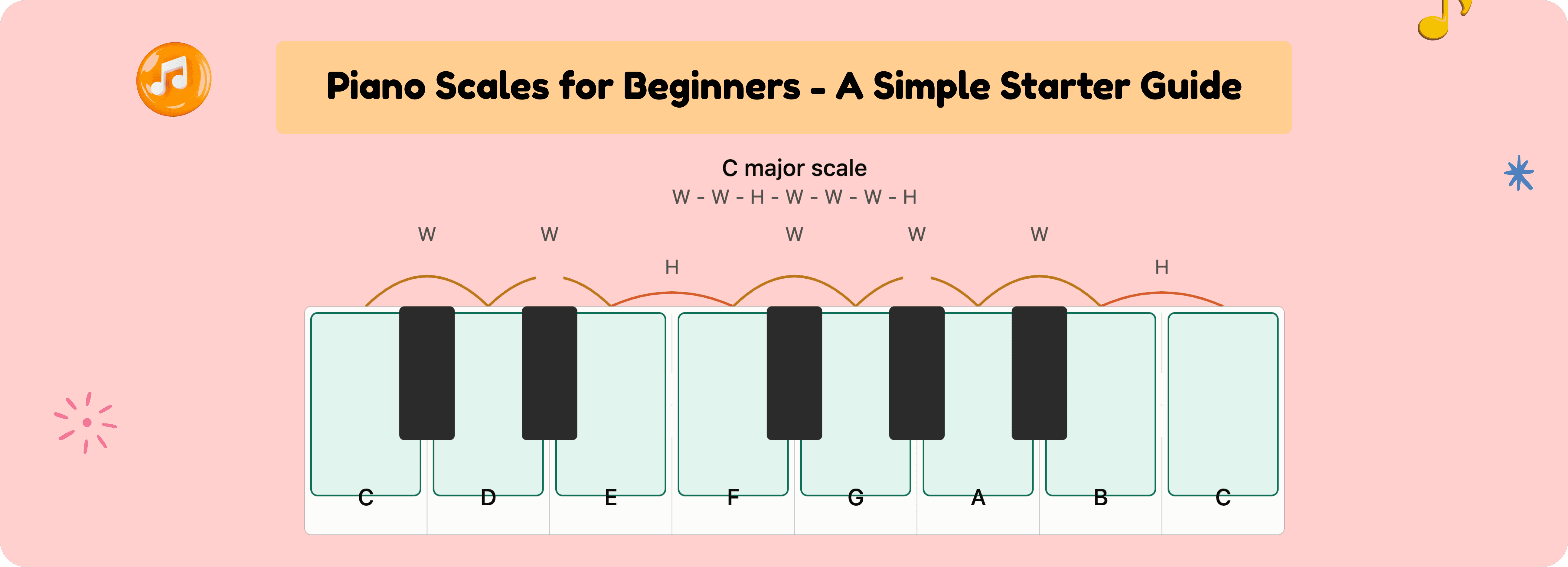
When playing the piano exercise in a major scale, one gets a very even and bright sound, which is used in hundreds of songs and exercises for beginners. Given that it has a typical sound, it would be reasonable for many students to begin learning from the C major scale. One shouldn’t try to play it quickly but make it sound even and keep relaxed hands.
Minor Scales Create a Different Mood
The piano minor scale has a different character. While major scales are known for their lively sounds, minor scales are often softer and more contemplative. Being acquainted with both major and minor scales would help you understand how different changes in the patterns of notes result in an entirely new melody.
Practice One Scale at a Time
The best way to learn scales in the piano is by using continuous practice as opposed to practicing many scales within a short period by moving fast. You can try practicing for several minutes, repeating the same sequence of actions until you get accustomed to how your fingers move.
It is easy to learn piano scales since all of them use similar movements. Each time you learn a scale, you make it easier for yourself.
Turn Scale Practice into Everyday Progress
It should be noted that scales go far beyond just warm-up activities. On the one hand, they develop your technique, but on the other hand, they train your fingers’ independence and prepare you for playing music. This does not take a lot of time; you can be sure that even short daily practices will bring results. Before starting to play a new piece or taking a lesson, you should practice some old scales on your virtual piano or a real one.
Frequently Asked Questions
How long should beginners practice piano scales each day?
The majority of beginners can gain great results by spending around 10 to 15 minutes practicing their scales daily. Such short practices are more efficient because they do not tire fingers while training them to play correctly.
Which piano scale should I learn first?
The C major scale is usually the most recommended since it utilizes only the white keys. After mastering its fingering techniques and structure, you can start learning about other major and minor scales on the piano.
Should I practice scales with one hand or both hands?
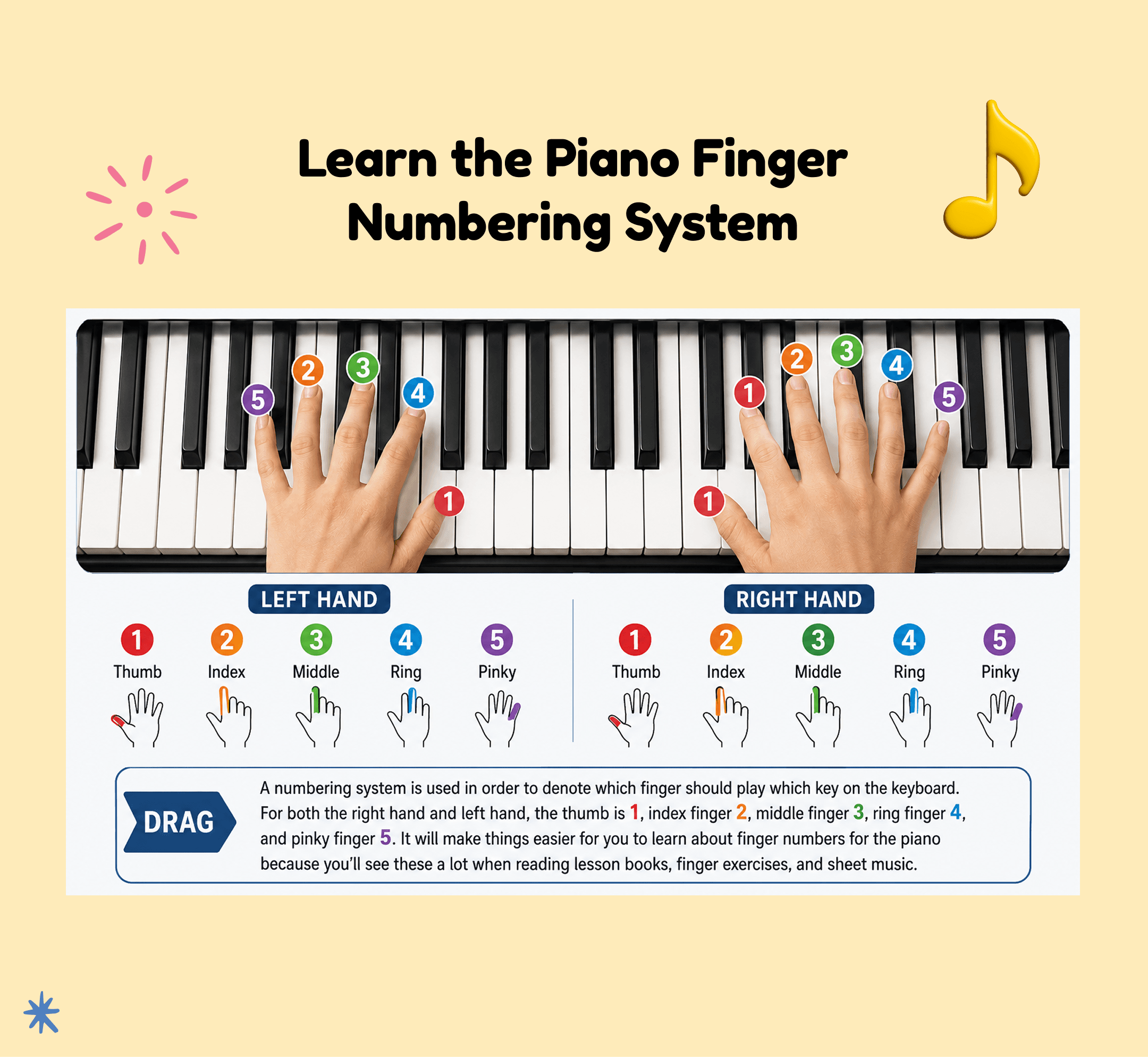
You should first learn how to play each scale with just one hand. This will make you comfortable with the movements of your fingers. Next, use both hands together slowly and steadily.
Do professional pianists still practice scales?
Yes. Professional pianists at any level still practice scales since they develop finger strength, coordination, accuracy, and technique in general. Scale practice is one of the key aspects of piano mastery.
How can I make scale practice more interesting?
Rather than practicing the same scale for a long period of time, experiment with changing the rhythm, increasing or decreasing the speed of the exercise, or working through the scale in different keys. The little variations ensure that you remain engaged while learning how to be more comfortable with different patterns of notes.
What should I learn after mastering basic piano scales?
Once you get to know all about major and minor piano scales, next step would be to move onto Musical Intervals. Knowing how far apart the notes are would help you recognize patterns and understand melodies and harmonies better.
Related Lessons
View All Lessons
Ready to Play?
Go ahead and start practicing with our online piano right in your browser. Have fun playing songs, lessons, and more.
Play Now