
Piano Practice & Progress
The Reason Why a Piano Practice Routine is better than Long Sessions.
The common perception among many learners of the piano is that the more time one practices, the faster the learning process. In practice, uniformity and form are much more important than time. This article justifies why basic piano practicing involves are more effective, how shorter practices are better at enhancing attention and memorization, and why healthy, long-term practices are more effective at achieving the long-term growth of music.
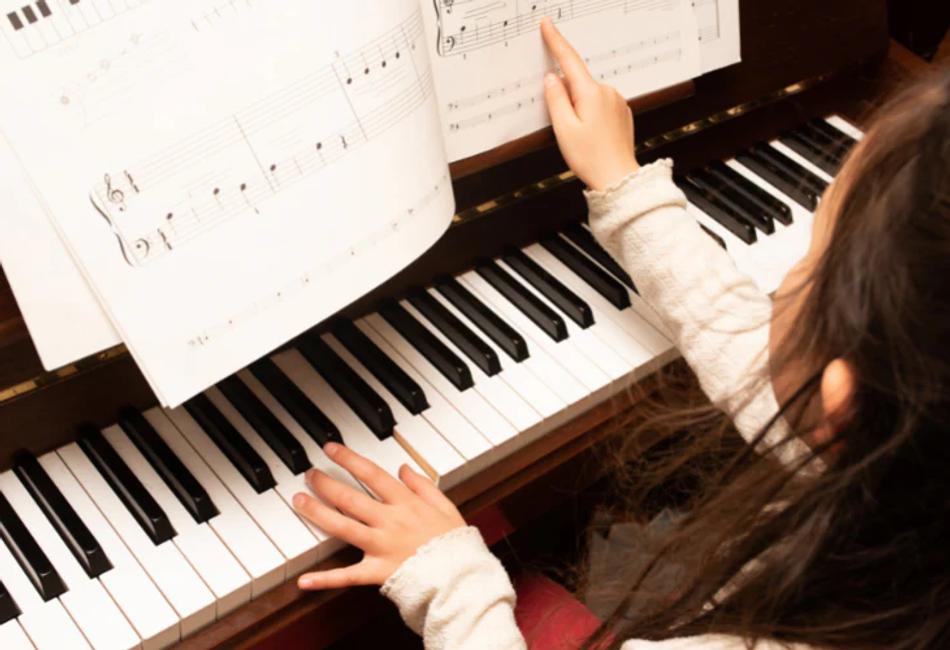
The question that is mostly posed by piano students is the duration of their daily practices. Others consider that progress is achieved by spending hours at the keyboard, whereas other people cannot find time and are disheartened by brief sittings. This misunderstanding is many times followed by inconsistent practice, frustration and no progress.
It is not only intense learning in the piano. It favors operational continuity, deliberate interaction and focus. A basic and repeatable practice plan usually yields greater results than comprehensive and inconsistent sessions, which are dependent on wavering motivation.
Knowledge of the reasons why shorter structured routines are effective can transform the attitudes of learners towards the practice and growth of music in the form of piano playing.
Why Prolonged Practice Sessions usually fail
Prolonged practice sessions are effective, and they are usually exhausting to the mind. When the attention is decreased, errors are more probable and awareness is lost. The learners can repeat passages without bettering, which builds tension and not competence.
Resistance increases as the practice becomes tiresome. Students start relating piano to hard work as opposed to fun and thus consistency becomes difficult to sustain.
The brief sessions will decrease fatigue and maintain the level of focus so that every minute could be spent productively.
The way the Brain learns music more effectively
Learning of music relies on the repetition with time, rather than on its repetition in one sitting. The brain consolidates the links between practice sessions particularly when there is a break between them.
The regular practice, which is short, gives the brain time to process information between sessions. Such consolidation enhances coordination, timing and memory.
The process is inhibited by long working periods that do not allow enough rest between sessions and do not help improve the work, even though the work effort is high.
The Reason why Simple Routines make us more focused
Decision fatigue is eliminated through a very basic routine. Students are aware of what they will practice upon sitting down.
When the routines are evident, focus is put on playing as opposed to planning. The emphasis results in quality practice and improved outcomes.
Intricate drills can easily confuse the learners and decrease regularity.
The Power of Starting Small
The resistance is reduced by beginning small. It seems possible to take ten minutes and sit down even on a busy day.
When practice is started, the learners tend to go further on their own. The trick lies in the fact that you should start regularly and not make the time obligatory.
Pressure is not created through this approach.
The role of Consistency in Developing Confidence
Development of confidence comes with continuous improvement. With constant use, day by day improvement can be observed.
The learners can observe easier transitions, control, and familiarity. Motivation is strengthened by these changes.
Stability brings the observable development, which maintains the interest.
The Structure of Repetition Why Repetition Must Have Structure
The unintentional repetition of the same part does not ensure the improvement. Form provides reasons to repetition.
An easy exercise could be the warming up, practicing one of the difficult parts, and reading what one has studied before. It is this equilibrium that makes practice effective and interesting.
Formation guarantees development in an unintimidating way.
The Power of Routine to Ease Frustration
The unrealistic expectations are a source of frustration. Faraway classes promote haste and self-criticism.
Uncomplicated exercises promote patience. Students look at the minor achievements instead of excellence.
Such attitude alleviates frustration and helps to engage in the long-term.
Reasons Why Short Sessions are Better Than Long Sessions
Attention is important because of accuracy. The brief sessions are very focused thus minimizing careless errors.
As long as learners train when they are free in the head, coordination will be quicker.
When the correctness is achieved through precise practice, it is much more dependable than when it is achieved by exhaustion.
How Routine Aids in Skill Development in Long Terms
Development of skills should be reinforced constantly. This reinforcement is achievable through simple routines.
Students revisit the basics on a regular basis, thus avoiding technique loopholes.
This uniformity builds a great platform of advanced material.
The Reason Routine is Better than Motivation
Motivation fluctuates. Routine remains stable.
Such a basic routine of practice negates the necessity to be inspired. The reason it is practiced is that learners do so as it is a part of their day.
With time, motivation is ousted by discipline as the motivating force.
The way Simple Routines fit in the current lifestyles
Long working hours do not allow most learners practice sessions. Basic health routines are easier to integrate in life.
The short sessions may be practiced at the time of pre-work, after dinner, or the time of breaks.
Consistency is facilitated by flexibility.
The reason why getting better seems to happen faster with less time
When it is a steady progress, it seems so much faster. Students who practice in very short intervals every day are better off than those who train in very long intervals at intervals.
This gradual development inculcates self-trust and pleasure.
Sometimes spending less time is better spent.
Psychological Benefit of Termination of Practice in a Positive Way
There is always the risk that short sessions do not last long enough to cause fatigue to the learner.
The last point on a good note would foster revisiting the following day.
This affections helps in long-term commitment.
The way Simple Practice Promotes Good Listening
Specialized meetings promote listening. Students are able to hear tone, balance and timing better.
Musicality enhances faster listening than repetition.
Rudimentary rituals facilitate this consciousness.
Why Intense Bursts Is a Bust to Sustainable Practice
Extensive exercises are usually followed by burnout. Sustainable practices enhance slow progress and no burning.
The learning of the piano is long. It is sustainable rather than fast.
Practices that are easy to maintain allow long-term progress.
The Strengths of This Approach at any Skill Level
Novices have the advantage of understanding and building a habit. The in-between learner perfects the technique by repetition.
High-level students retain abilities and correct their flaws effectively.
Routine procedures increase in complexity.
Conclusion
An easy training regimen that involves a piano practice is more productive than sessions that are long since it helps in focus, regularity, and gradual improvement. Short, intermittent practice develops your skill more appropriately as compared to intermittent and intense practice.
Simple routines are long-term with reduced fatigue levels, better attention, and the ability to fit in their daily lives. Piano practice should be sustainable, meaningful and satisfactory to learning.
Eventually, the effort of practicing a certain duration in a single day will not add to progress, but rather the ability to practice and practice again over time.
More from the blog
Keep exploring new ideas

Piano: Psychological Development.
How Piano Learning Improves Memory Over Time
The process of learning, adaptation, and growth of people is mainly driven by memory. Learning Piano has emerged as one of the effective techniques of memory reinforcement via formal repetition, auditory, coordination and recalling over time. This article discusses the process by which practicing piano develops various forms of memory, reasons why these advantages become increasingly more effective, and how the benefits of learning a piano help to retain in the minds of non-musical areas.

Piano & Skill Development
How Piano Practice Builds Consistency and Self-Discipline
Self-discipline and consistency are crucial personal qualities in the contemporary life but are becoming more challenging to master. The learning of piano provides a natural and effective method of developing both in a structured form of learning, in a progressive manner and through long term commitment. This paper will examine how practice in the piano will develop the consistency over the time, why the self-discipline will develop naturally at the instrument and the applicability of these abilities far beyond music in the life.

Piano & Lifelong Learning
The Reason behind the Rise of Piano Learning among Mature Beginners in the world.
The world has witnessed a potent surge in piano learning among adult learners. More individuals are learning the piano later in their lives and this is due to the flexibility of digital tools, lifestyles and now people are more focused on their personal development. The article discusses the reasons why this trend is being experienced, how adult learners treat piano differently, and why this trend is transforming the contemporary culture of the piano.
Piano & Modern Skills
The reason Learning Piano Is Better than Multitasking in a Distracted World.
Piano learning is becoming an effective tool to reconnect attention and deep thinking in a day and age where we are bombarded with notifications and do not spend enough time in deep contemplation. The mental clarity ensured by years of discipline in the practice of the piano may be that which is afforded by very few activities because it demands constant focus, physical coordination and active listening. This paper discusses the connection between learning the piano and attention, the level of cognitive and mental discipline and the reason why more and more individuals are turning to the piano to overcome distraction in the modern world.

The Culture of Piano and Contemporary Music.
The reason why Minimalist Piano Music is becoming a sound of this decade.
The minimalist piano music has come out as one of the most effective sounds of the modern age. The style is marked by its simplicity, repetition, and restraint, and they are defining the manner in which individuals listen, create, and relate to piano music nowadays. This paper delves into the reasons behind the growth of minimalist piano in popularity all over the world, its reflection of the contemporary life, and why it is a simply a new voice of this decade.
Piano & Future Learning
The Way AR is beginning to transform Piano Learning.
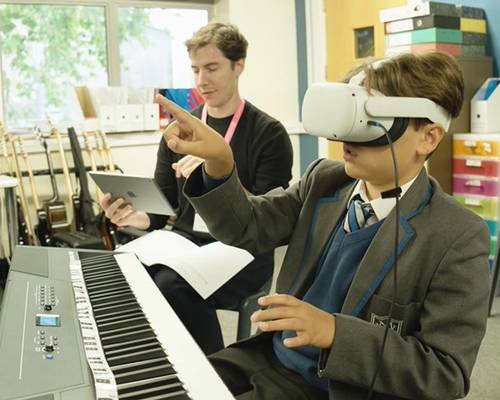
The concept of augmented reality is gradually presenting itself in the business of piano study, providing a fresh interpretation of music, technique, and practice. AR is transforming the interaction between pianists and the keyboard by combining digital guidance and physical instruments to create a new approach to playing the piano. This paper discusses the reasons behind the growing interest in augmented reality learning of piano, its functionality as well as its potential future impact on the teaching of piano.The concept of augmented reality is gradually presenting itself in the business of piano study, providing a fresh interpretation of music, technique, and practice. AR is transforming the interaction between pianists and the keyboard by combining digital guidance and physical instruments to create a new approach to playing the piano. This paper discusses the reasons behind the growing interest in augmented reality learning of piano, its functionality as well as its potential future impact on the teaching of piano.